September 29, 2026
How to Compare Commercial EV Charging Providers for Your Venue

Choosing an EV charger for a seasonal business? Explore costs, pay-as-you-go charging and practical advice for holiday parks, campsites and attractions.


If you run a campsite, holiday park or seasonal attraction, your busiest months have to work hard. Every investment needs to earn its place, especially when your business closes or welcomes fewer visitors over winter.
Installing an EV charger for a seasonal business can give customers a useful service and create an additional income stream. But choosing the right setup means thinking beyond the cost of the charger itself.
How much will it cost during quieter months? Who will handle payments? And how many charging points do you actually need?
Here’s what to consider before installing EV charging at your seasonal venue.
Seasonal opening hours do not automatically make EV charging unsuitable. What matters is whether your visitors need it, how long they park and whether the costs work across your full trading year.
A holiday guest might leave their car parked overnight. A family visiting an attraction could stay for several hours. Both offer an opportunity to charge while enjoying your venue.
For customers travelling in an electric car, being able to charge at their destination can make a trip easier to plan. At accommodation venues, it can also save guests a separate journey to a charging station during their stay.
Businesses that could benefit include:
The starting point is your own customers. Keep a record of charging enquiries, look at how long visitors typically stay and consider the charging options nearby.
An installation quote is only one part of the decision. A seasonal business should also understand what it will pay when charging demand drops.
Some charging packages include fixed software or management subscriptions. Those costs can continue during months when your venue is quiet or closed.
Before choosing a provider, ask:
A lower upfront price may be less attractive if it comes with ongoing fees that your shorter trading season has to cover.
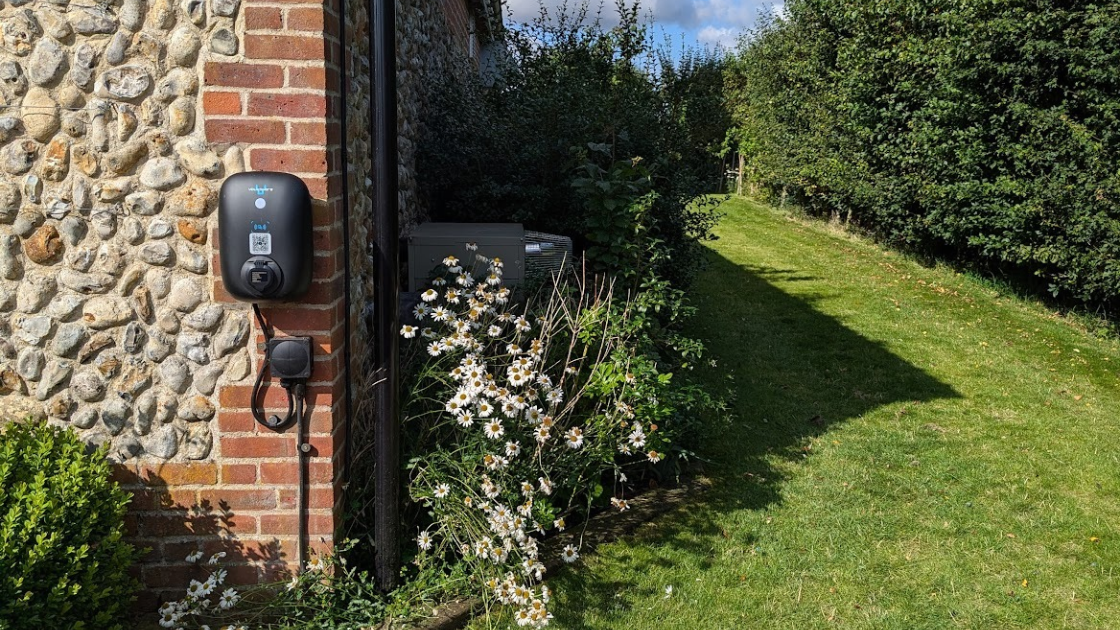
With a pay-as-you-go management model, the provider’s charging fee follows usage.
Voltshare’s hospitality EV charging solution has no monthly platform fees. You pay for the charger and installation, then a fee applies to successful charging sessions. You also control your charging price, while voltshare handles payments and provides 24/7 driver support.
That means you can offer charging during your busy season without a monthly platform subscription continuing through quieter periods.
You do not need to convert your whole car park at once.
For a smaller seasonal venue, starting with a modest number of charging bays may be a sensible way to understand demand before expanding.
Consider:
Peak occupancy: How many vehicles are on site during your busiest weeks?
Length of stay: Will guests park overnight, for a full day or for a shorter visit?
Existing demand: Are customers already asking about charging?
Parking layout: Can charging bays sit somewhere convenient without disrupting deliveries, accessible parking or guest arrivals?
Electrical capacity: What can your existing supply support alongside the rest of the business?
Plan around realistic peak-season demand, while checking that the investment still makes sense across the year. Ask your installer whether preparing cabling or infrastructure for future chargers would be worthwhile during the initial works.
The right charging speed depends on how your visitors use the site and what your electrical supply can support.
7 kW charging can suit longer stays, including overnight parking at holiday accommodation.
22 kW charging is worth considering for hotels and venues where vehicles need to receive more energy during a shorter visit, subject to the site’s supply.
A 22 kW charger will not charge every vehicle at 22 kW. The car’s onboard charging capability, available power and any load management will affect the actual speed.
A site survey should assess these factors before you commit to equipment. For campsites and holiday parks, that assessment should also account for other electrical demand during busy periods.
Paid charging can provide an additional source of income, but the amount left for your business depends on usage and costs.
When setting a charging tariff, account for:
There is also a service benefit to consider. On-site charging may make your venue more convenient for an EV-driving guest, even when charging income itself is modest. Treat this as part of your wider customer offer.
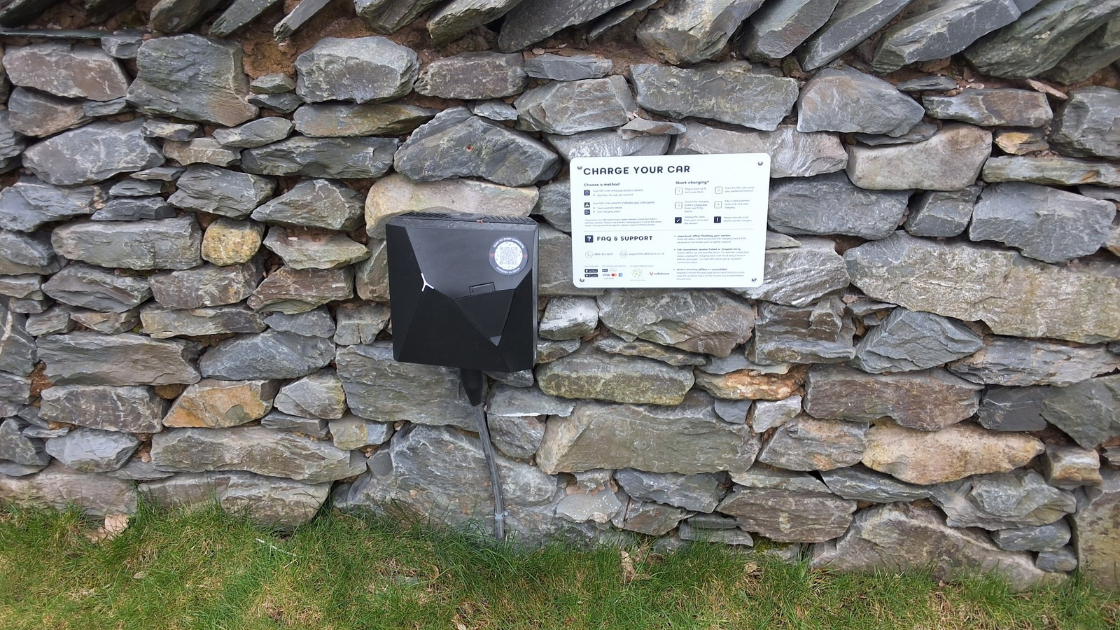
You may want to reserve charging for paying guests, visitors or staff, particularly when parking is limited.
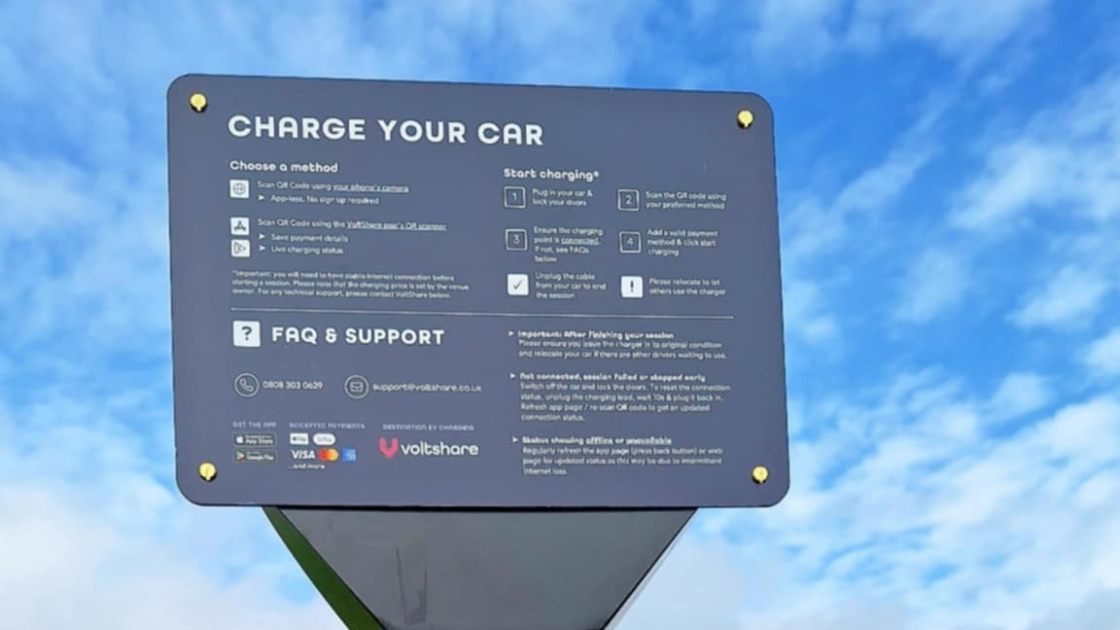
Choose a system that gives you control over access and make the arrangements clear before customers arrive. Voltshare offers access controls and remote management through its site owner portal. You can explore these on our features and benefits page.
If you are considering opening charging to passing drivers, assess whether the location, parking arrangements and opening hours support that use. Discuss any additional requirements with your provider before advertising public access.
For businesses that close over winter, the off-season can be the perfect time to arrange surveys and installation.
It gives you time to assess the electrical supply, agree the location of charging bays and complete any groundwork before visitors return.
Before reopening:
Your website should explain who can use the chargers, how payment works and whether availability is limited. Clear information helps guests plan and reduces repeat questions at reception.
Some seasonal businesses may qualify for support through the Workplace Charging Scheme, depending on the business, site and intended use.
The scheme currently covers up to 75% of eligible purchase and installation costs, capped at £500 per socket and 40 sockets per applicant across all sites.
Funding has been extended for a final year until 31 March 2027. Eligibility and installation requirements apply, so check the current government guidance before relying on funding in your budget.
If you are planning charging for the 2027 season, start investigating early enough to allow for applications, surveys and installation. Once the scheme closes, businesses will lose access to this discount and costs could increase by 75%.
The best EV charging setup for a seasonal business fits your visitors, your electricity supply and the way you trade.
Start with evidence of demand, choose a manageable number of bays and compare the full annual cost of each option. A flexible payment model can be particularly useful when busy summers are followed by quiet winters.
Voltshare helps hospitality venues offer paid EV charging with no monthly platform fees, automatic payments and driver support day or night.
Planning EV charging for your campsite, holiday park or seasonal venue? Explore voltshare’s hospitality charging solution and book a free site survey.
an EV charging solution that’s simple to use, enhances your venue, and generates revenue for your business


supporting over 500 venues