October 31, 2026
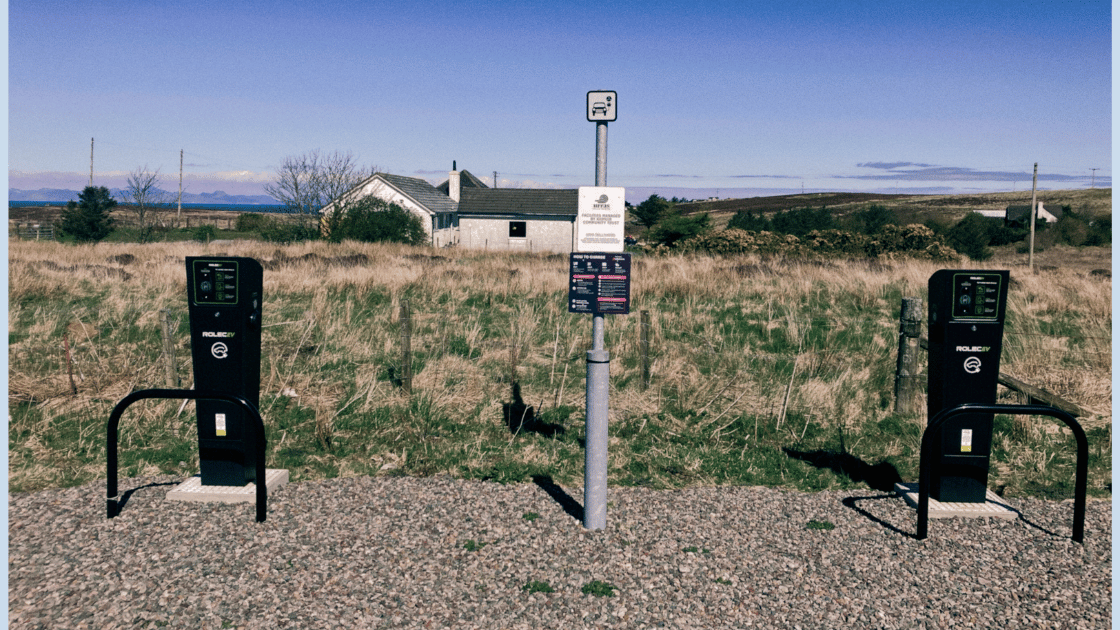
October’s Venue of the Month – Kilmuir Village Hall

Discover how destination EV charging can help businesses attract more customers, increase on-site spending and enhance the customer experience.


More drivers are going electric, and where they can charge is shaping where they stay, eat and spend their time.
With over 2.33 million fully electric cars on UK roads by October 2026, EVs are no longer a niche market.
Yet only one in five UK hotels currently offer charging facilities, highlighting a significant opportunity for businesses to attract a growing customer demographic.
As demand continues to increase, destination charging is becoming an increasingly valuable part of the customer experience.
Destination charging allows EV drivers to charge their vehicles while visiting a venue for another purpose, such as dining, shopping, working or staying overnight.
Unlike motorway charging, which is designed for quick top-ups, destination chargers are typically 7kW-22kW, allowing drivers to recharge while enjoying the facilities around them.
Destination charging can benefit a wide range of businesses, not just hotels and accommodation, creating an opportunity for them to turn charging time into valuable customer time.
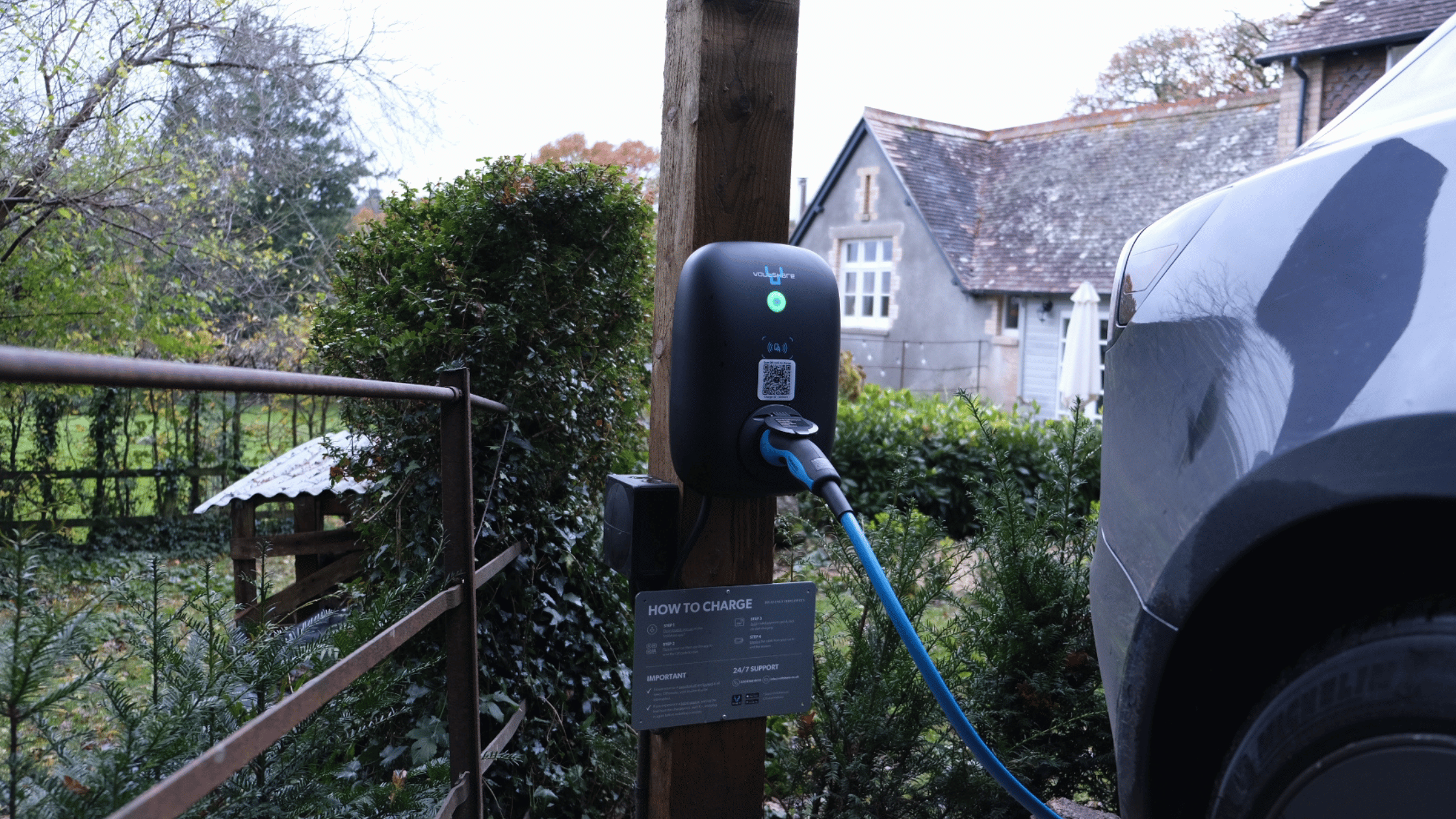
For hotels, it offers guests the convenience of charging their vehicles overnight, while restaurants and pubs can allow customers to recharge while enjoying a meal.
Ultimately, any business where customers naturally spend time on-site has the potential to benefit from destination charging.
Every charging session presents an opportunity for businesses to encourage customers to explore their facilities, spend more time on-site and make additional purchases.
Depending on the charging speed and the length of their visit, drivers could use this time to enjoy a meal, relax in a spa, browse shops or stay overnight.
For example:
Businesses can encourage drivers to make use of their facilities through clear signage, QR codes linking to menus or booking pages, and incentives such as discounts or charging-related offers.
By connecting charging with existing services and experiences, businesses can create additional reasons for customers to spend time on-site.
Increased dwell time can create more opportunities for customer spending.
The longer visitors stay, the more opportunities businesses have to encourage additional purchases, whether that’s another drink, an extra course or a visit to another facility.
For hospitality and leisure venues, this could mean turning a charging session into a restaurant booking, spa treatment or extended visit.
Families and groups travelling together may also bring additional spending opportunities, particularly when customers choose to dine or enjoy activities while their vehicle charges.
There are also opportunities to generate value beyond individual purchases. Longer visits can introduce customers to other services and facilities they may not have originally planned to use.
For example, a hotel guest visiting to charge their vehicle may decide to book a meal at the restaurant, use the leisure facilities or extend their stay.
These opportunities for cross-selling can help businesses maximise the value of each visit, turning charging facilities into a way of supporting wider commercial activity.
Charging can also create a direct revenue opportunity, depending on the business model adopted. Businesses that own and operate their charging infrastructure may be able to generate income through charging tariffs, while partnership arrangements can offer alternative commercial structures.
This means the benefits of destination charging are not necessarily limited to increased footfall and customer spending; the charging infrastructure itself can also contribute to a venue’s revenue.
Beyond immediate sales, providing a convenient and enjoyable charging experience can encourage repeat visits, positive reviews and customer loyalty.
Charging availability is becoming an increasingly important consideration for EV drivers when choosing where to visit.
When two venues offer similar services, the availability of reliable charging could influence which one a customer chooses.
Drivers can also use platforms such as Zapmap to identify businesses offering charging facilities before planning their journey.
For businesses, this creates an opportunity to differentiate themselves from competitors while responding to changing customer expectations.
Providing convenient charging allows visitors to enjoy their experience without worrying about finding another charging point, potentially strengthening customer satisfaction and encouraging repeat business.
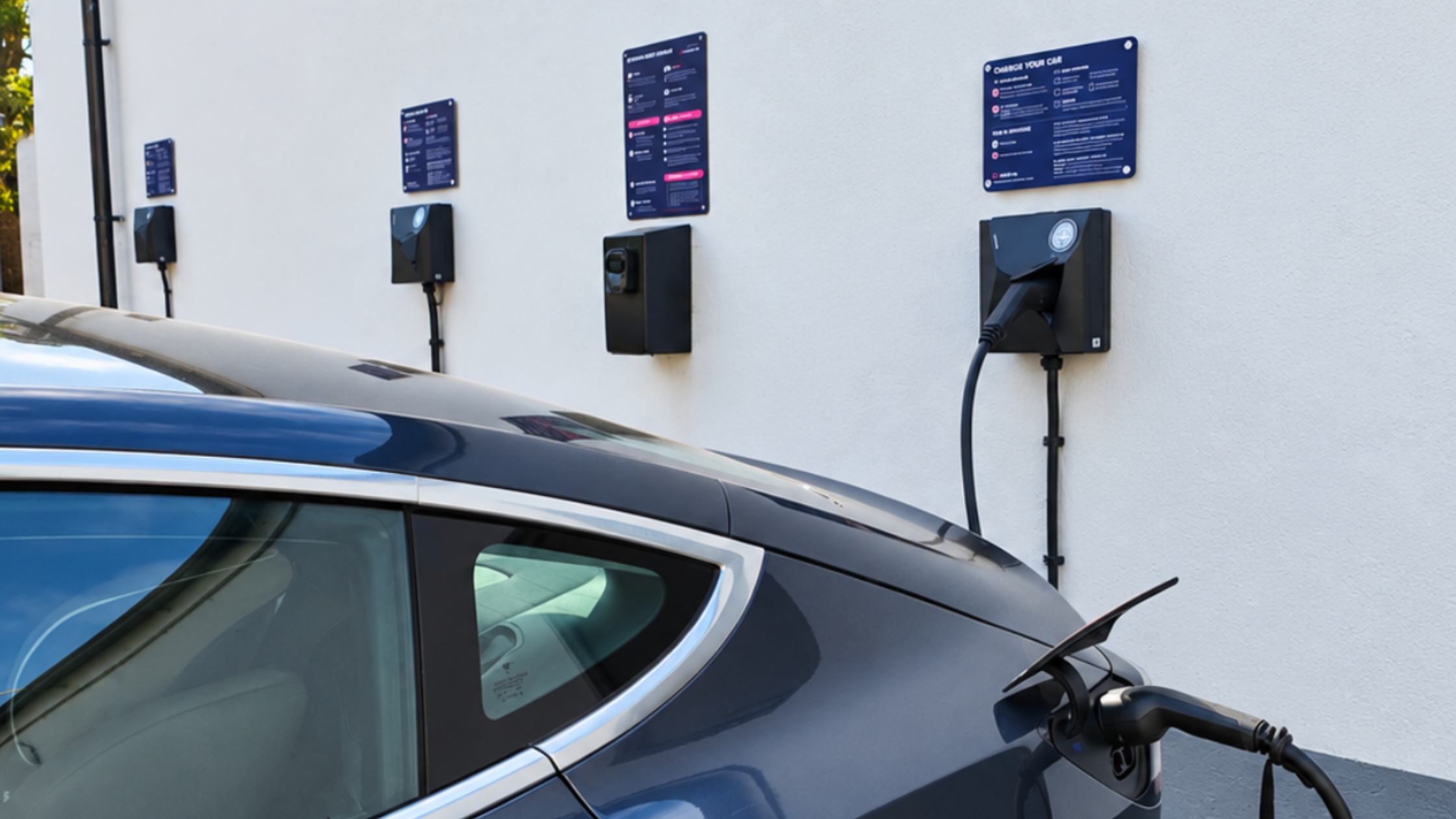
Realising the commercial benefits of destination charging starts with choosing the right infrastructure for your venue.
Installing EV charging infrastructure doesn’t necessarily mean businesses have to manage every aspect of the process themselves.
There are several ways to approach the investment, depending on available budgets, resources and long-term commercial objectives.
One option is to purchase and own the charging equipment. This gives businesses greater control over their infrastructure, including pricing and charging tariffs, while allowing them to retain the revenue generated through charging.
However, it also means taking responsibility for the initial investment, ongoing maintenance and operation of the equipment.
Alternatively, businesses may consider leasing equipment or working with a charge point operator (CPO). Through a partnership agreement, a CPO can support the installation, management and maintenance of charging infrastructure, reducing the operational responsibilities placed on the business.
Depending on the agreement, commercial arrangements may include revenue sharing, land leases or other funding models.
The right approach will depend on what a business wants to achieve from its charging facilities.
Some might prioritise ownership and control, while other may prefer a managed solution that allows them to offer charging without taking on the responsibility of operating the infrastructure themselves.
Understanding these options early can help businesses make a more informed investment decision.
Before investing in charging infrastructure, businesses should consider:
The number of chargers required will depend on your venue’s parking capacity, customer demand, typical dwell times and available electrical supply.
Rather than overinvesting from the outset, businesses can consider installing an initial number of charging points while allowing for future expansion as demand grows.
It’s also worth assessing the availability of nearby public chargers to understand the potential demand for facilities at your location.
The right charging solution depends largely on how long customers typically stay.
Choosing the right charging speed helps businesses meet customer needs without investing in unnecessarily expensive infrastructure.
A charger that is broken, difficult to use or poorly positioned can quickly undermine the customer experience.
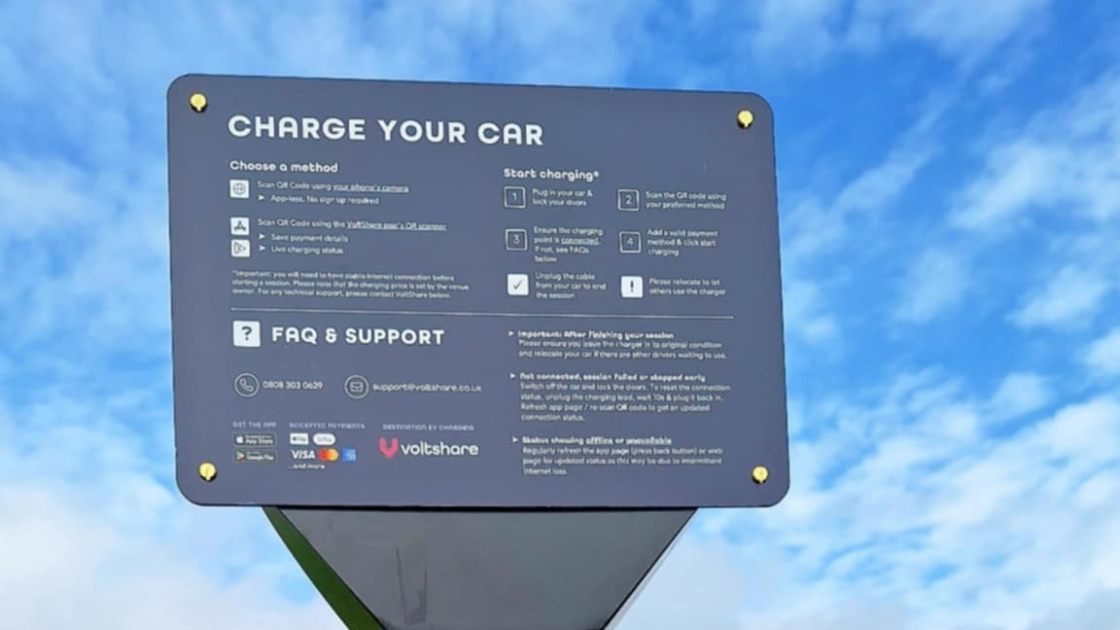
Reliable infrastructure, clear pricing, convenient payment options and accessible charging bays all help create a seamless experience for visitors.
Businesses should also consider ongoing maintenance and driver support to ensure charging facilities remain available and easy to use.
Working with an experienced charging partner can make managing EV infrastructure considerably easier.
A good partner should offer reliable maintenance, straightforward payment options, transparent commercial terms and ongoing driver support.
Having the right support in place allows businesses to focus on their customers while ensuring their charging facilities continue to operate effectively.
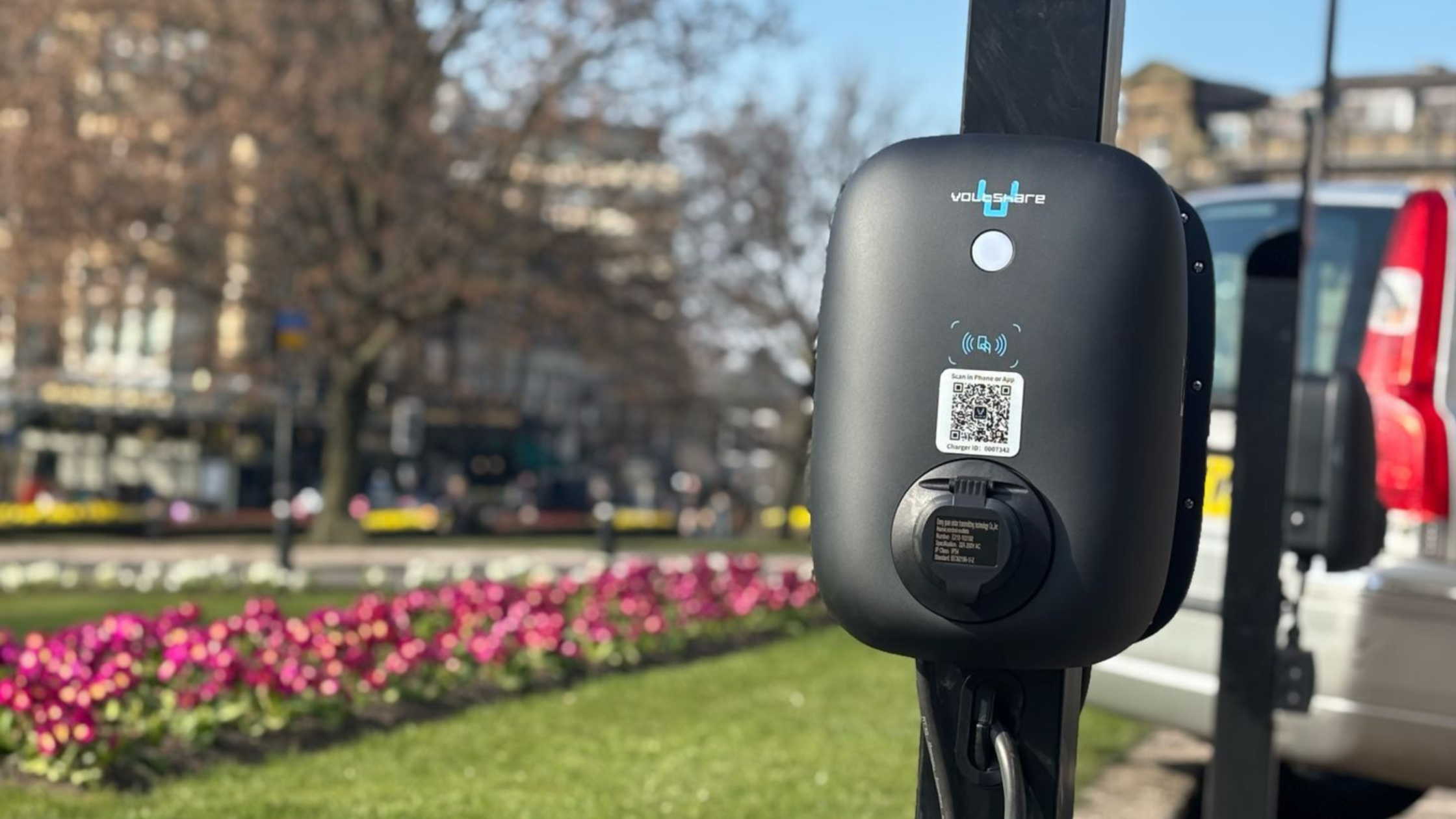
Destination charging offers businesses more than an additional customer facility.
It creates opportunities to attract EV drivers, encourage longer visits and generate additional on-site spending.
As EV adoption continues to grow, charging availability is likely to become an increasingly important consideration when customers choose where to stay, shop and dine.
Businesses that invest in the right infrastructure now can strengthen their appeal, improve the customer experience and prepare for charging expectations.
Ultimately, EV charging doesn’t have to be just a pit stop. With the right facilities and charging partner, it can become part of what makes your venue a destination.
Ready to turn charging time into customer time? Get in touch with voltshare to explore the right EV charging solution for your business.
an EV charging solution that’s simple to use, enhances your venue, and generates revenue for your business


supporting over 500 venues