
September 29, 2026
How to Compare Commercial EV Charging Providers for Your Venue
.png)

Explore the latest developments in the UK’s EV charging landscape, covering rapid network expansion, key legislative updates, and the growing role of hospitality partnerships.


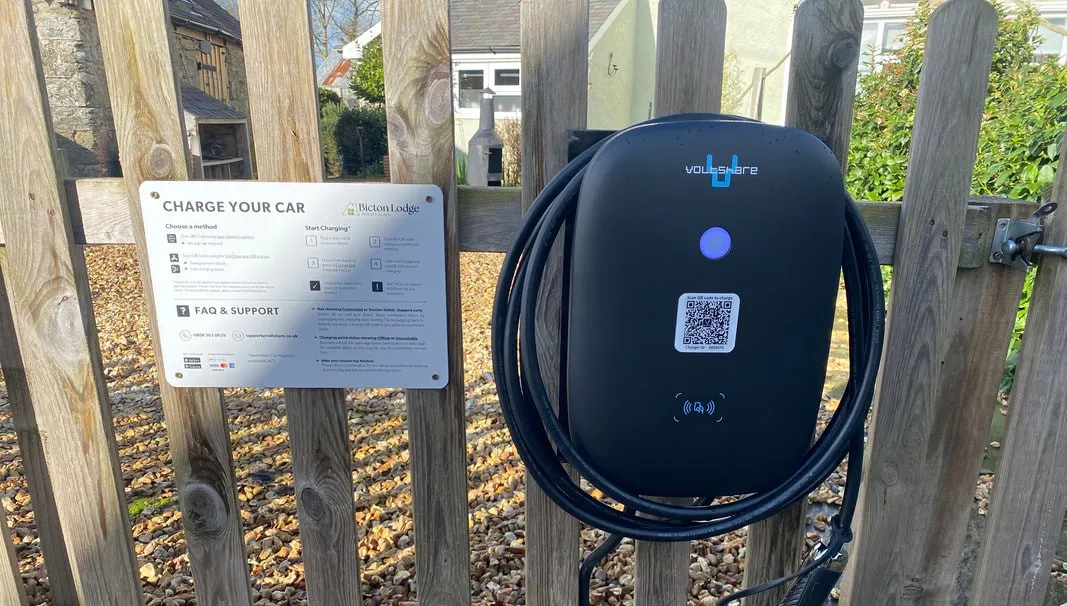
The electric vehicle charging world is moving quickly—new projects, price hikes, and better tech are changing how people charge up. With government decisions affecting what drivers pay and expanding networks across the UK, it’s more important than ever to stay in the loop.
Lately, there’s been a lot happening that impacts where and how much drivers pay to charge. The Treasury shot down a plan to cut VAT on public EV charging from 20% to 5%, which would’ve made public charging closer in price to home charging. Meanwhile, some charging companies warn that rising energy bills are being passed to drivers. Voltshare's charging prices are set by site owners, and can be tiered for staff and regulars to maintain affordability.
The charging sector is also experimenting with new tech and business models, especially for those without home charging. Keeping up with these shifts is key for anyone running or using EV chargers in hospitality sites.
The UK’s public charging network has grown fast, with over 87,000 public chargers now installed. New laws are shaping where and how chargers get installed—at homes, on streets, and at hospitality locations. Better tech and new partnerships are shaking up the market.
Growth has been impressive. The Department for Transport says a new public EV charge point is added every 33 minutes since October 2024, totalling nearly 16,000 new points.
Zapmap’s numbers show 14,316 new chargers in 2025. In 2024, our chargers delivered 12,750 charging sessions. In 2025, that rose to 25,059. That is almost double the number of charges flowing through the network, showing that our infrastructure is not only being installed, but actively used. That’s easing range anxiety for many and helping more people make the switch to EVs.
Still, some regions lag behind. Not everywhere has the same access—some rural areas need more investment. We are responding to demand, but it’s a work in progress.
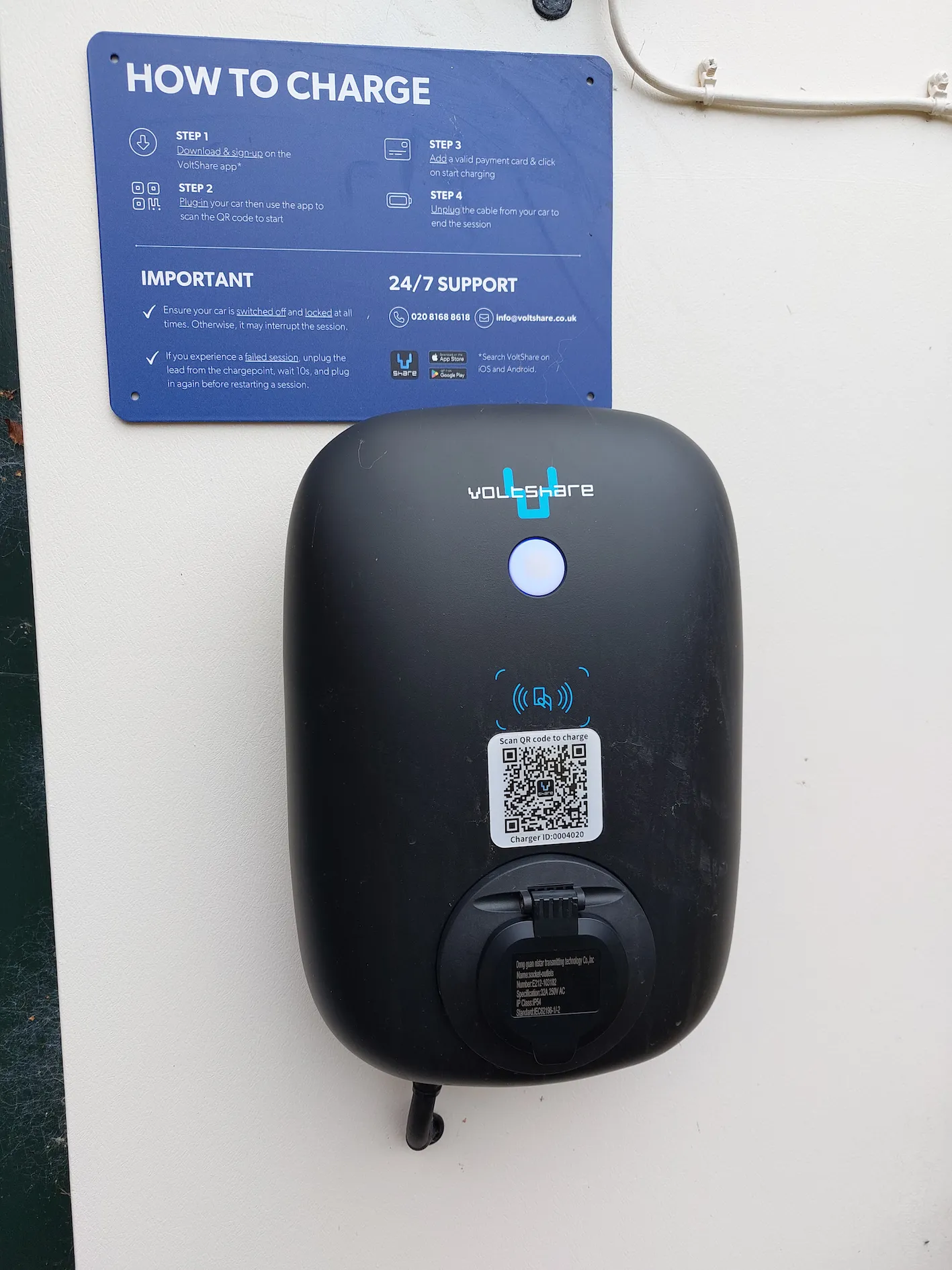
Government policy is a big driver here. Regulations and funding shape how quickly networks grow, and which areas get priority.
Rules about planning permissions and technical standards can slow things down or speed them up, depending on the region. Home charging is still the norm, but on-street options are crucial for those without driveways. Local councils are trying to balance cost and access, especially in city centres.
Operators are teaming up with retailers, hospitality business owners, and property developers. That means more chargers in places people actually go—think restaurants, hotels, and schools.
Payment is getting easier. Standardised methods and mobile apps are making it less of a hassle to find and pay for a charge.
Want to keep up with industry news? Check our blog for more.
an EV charging solution that’s simple to use, enhances your venue, and generates revenue for your business


supporting over 500 venues


.png)