
October 8, 2026
The Bromley Court Hotel upgrades EV charging with five new chargers powered by voltshare
.png)

A practical guide for hotels and hospitality venues on measuring EV charger performance using key KPIs like utilisation, revenue, guest satisfaction, benchmarking, and sustainability impact.


.webp)
Venues looking to gauge their EV charging performance need to know which metrics matter, how to compare with others, and what really drives guest satisfaction and sustainability.
Utilisation rate is key - it’s the share of time chargers are actually in use. Peak usage times and average session duration give insight into guest charging patterns and help with pricing.
Revenue per charger tells you how each port performs financially. Tracking energy consumption can reveal if chargers are meeting demand or if there are technical issues to fix.
Comparing EV charging usage to venue occupancy helps see if your infrastructure scales with guest numbers.
Benchmark against industry data—only 6% of city hotels offer chargers, so if you do, you’re ahead.
Charger-to-room ratios (charging ports per 100 rooms) help compare across properties of all sizes. Quick support and high charger availability also set top venues apart. Tracking these shows where you stand against the market.
.webp)
Guest feedback about charging tells you straight away if you’re meeting expectations. Net Promoter Scores for this amenity show if it influences recommendations.
Ease of use matters—a confusing payment system can frustrate guests even if the charger works. Charging speed versus what guests expect is also huge; no one wants to wait around with a low battery.
Return rates among EV drivers show if your charging offer is enough to bring people back. That’s a good sign your setup is working.
EV charging removes a big source of travel stress. Guests can relax knowing their car will be ready, instead of hunting for a public charger.
Reliable equipment and a good operator make a huge difference—no one wants to deal with broken connectors or failed payments. Listing charger locations on booking platforms or during check-in shows you understand what modern travellers need.
Having charging on-site signals you care about sustainability and guest convenience, which does influence bookings, especially for eco-conscious travellers.
Destination charging means guests can enjoy all the hotel’s amenities without worrying about their car’s range. That freedom encourages them to stay, dine, and spend more.
Clear signage around the property helps guests find charging stations without hassle. If the hotel has its own app or in-room tablets, adding a simple map or directions for chargers goes a long way—nobody wants to wander around after a long drive.
Letting guests know about charging options before they even arrive makes a difference. A quick note in the booking confirmation or a reminder before check-in, including charger types, basic pricing, and how long it usually takes, helps guests plan ahead.
Staff should know the basics—where the chargers are, what plugs they have, and how payment works. Friendly, informed reception or concierge staff can turn a confusing moment into a smooth experience. It just feels better when someone can actually help, right?
Don't forget to list charging stations on EV apps or directories. Showing up on specialist platforms means EV drivers can find you when they're looking for a place to stay—and charge up. That's an audience you don't want to miss.
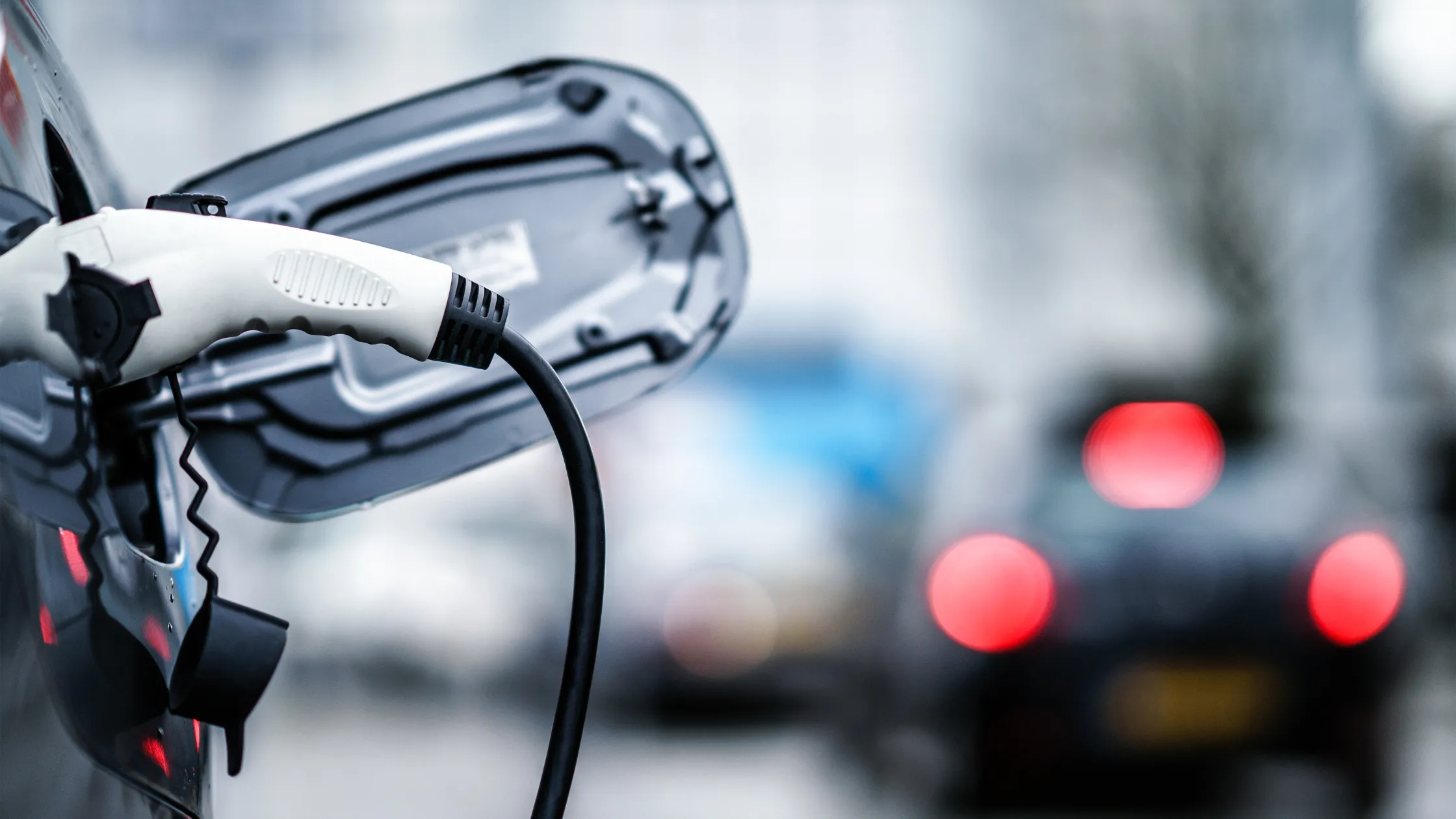
Adding EV charging points helps hospitality venues hit their carbon reduction targets by making cleaner transport options practical. When a property supports electric vehicles, it’s nudging emissions down, not just for itself, but for everyone passing through.
EV charging is a smart move for sustainability and, let’s be honest, it’s not bad for the bottom line either. Extra revenue from charging can help cover installation costs, so it’s not just about looking green—it can make financial sense too.
More and more, sustainability certifications and environmental ratings expect EV charging as standard. Without it, hotels and venues could lose out on business from companies that care about green travel.
Having visible charging stations says a lot. Guests, staff, even the locals notice when a business puts real effort into sustainability. It’s a stronger message than another page in a policy document or some far-off carbon offset.
an EV charging solution that’s simple to use, enhances your venue, and generates revenue for your business


supporting over 500 venues


.png)