
September 29, 2026
Best EV chargers for hotels and guest accommodation in the UK
.png)

Compare the real cost per mile of electric vs petrol and diesel cars in the UK. Discover how destination charging saves you money and find your EV break-even point.



If you’re thinking about switching to an electric vehicle (EV), you’ve probably heard that driving electric costs pennies compared to petrol or diesel.
While that’s true in many cases, the reality depends heavily on where you charge, how much you drive, and how long you keep the car.
In this guide, we break down the real-world cost per mile for electric, petrol, and diesel cars, look at the hidden savings of destination charging, and reveal the exact break-even point where an EV pays for itself over a traditional combustion engine.
The biggest ongoing expense for any driver is fuel. To make it simple, here is roughly how much it costs to drive 100 miles across different fuel and charging options in the UK:
• Home Charging (Overnight Off-Peak Tariff): ~£2.00 (7p/kWh)
• Home Charging (Standard Rate): ~£7.00 (27p/kWh)
• Hospitality & Destination Chargers: ~£12.00 – £14.00 (40p–50p/kWh)
• Diesel Car (55mpg): ~£15.50 (188p/litre)
• Petrol Car (45mpg): ~£16.00 (157p/litre)
• Motorway Ultra-Fast Chargers: ~£20.00+ (80p+/kWh)
When driving long distances, many drivers assume their only option is pulling into a crowded motorway service station and paying top-tier rates for ultra-fast charging (often 80p+ per kWh).
However, there is a much cheaper, stress-free alternative: Destination Charging.
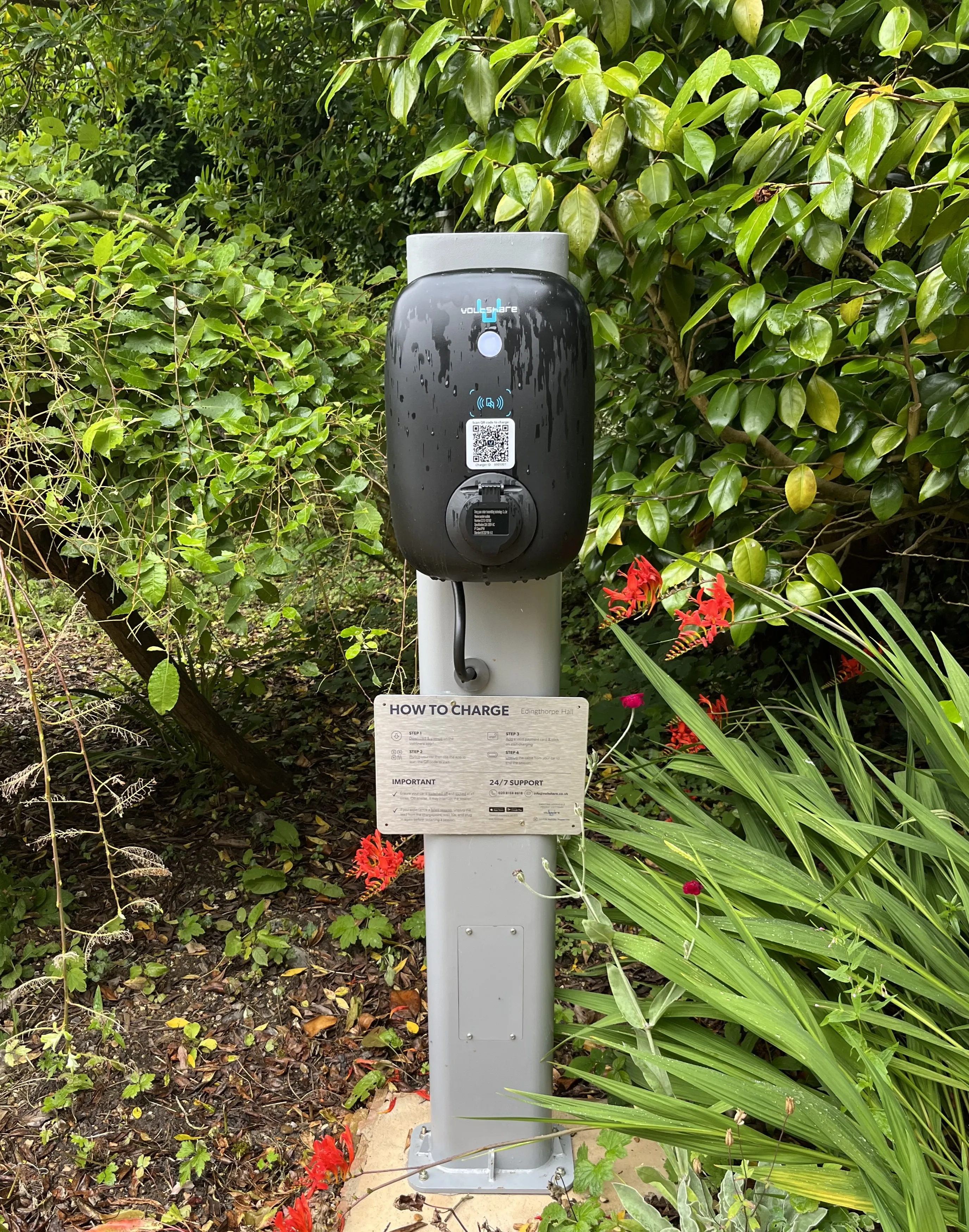
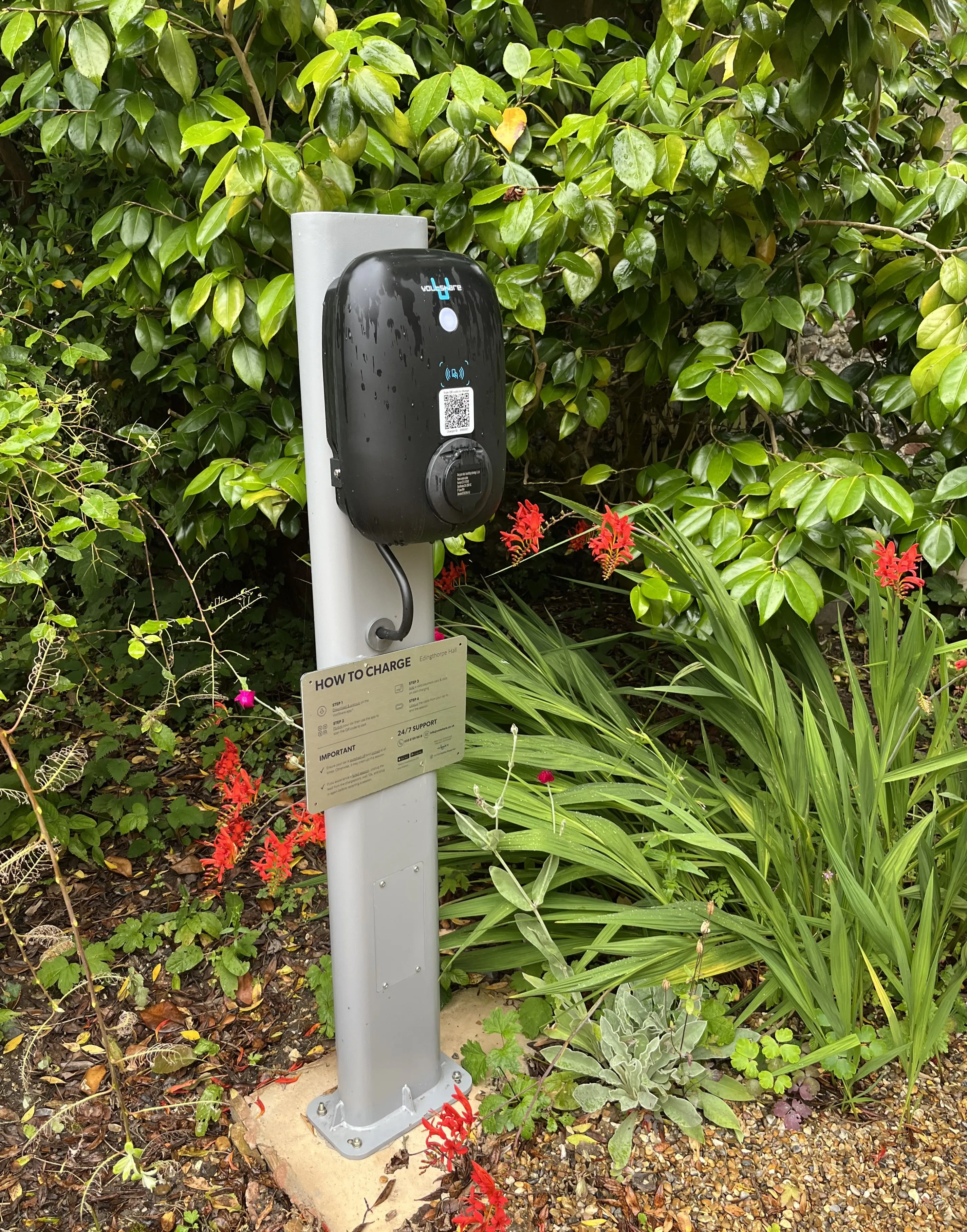
Slower, top-up chargers (7kW to 22kW)—the kind you find in hotel car parks, pub gardens, golf clubs, and restaurants—are the unsung heroes of EV driving. Because these chargers don't require massive power grid overhauls, hospitality venues can offer them at much fairer rates (and sometimes even free for guests).
Instead of sitting in a noisy service station for 30 minutes while watching the meter tick up, you plug in while enjoying lunch, attending an event, or staying overnight. You leave with a full battery at a fraction of the cost of a motorway fast-charger—and for significantly less than a full tank of petrol or diesel.
Based on a UK average driving distance of 7500 miles per year, here is what your annual "fuel" bill looks like across electric, petrol, and diesel vehicles:
• EV (Mostly Home Overnight Charging): £175
• EV (Mix of Home & Hospitality/Destination Charging): £450 – £600
• Diesel Car (55mpg): £1,550
• Petrol Car (45mpg): £1,590
• EV (Motorway Fast-Chargers Only): £2,000
By charging at home overnight and using affordable destination charging at hotels and local venues on longer trips, a driver doing 7,500 miles a year will save roughly £750 to £1,000 every single year compared to filling up with petrol or diesel.
Electric cars usually cost more to buy upfront than equivalent petrol or diesel models. The break-even point is the exact moment your ongoing fuel and servicing savings cover that initial price gap.
Here is how the math breaks down when comparing a typical new or near-new EV to a petrol or diesel car:
• Upfront Price Gap: An EV typically costs around £4,000 to £5,000 more upfront than a similar petrol or diesel car.
• Annual Fuel Savings: Charging mostly at home and using destination chargers saves you ~£1,000 to £1,100 per year compared to petrol or diesel.
• Annual Maintenance Savings: EVs have no engine oil, spark plugs, clutches, or cambelts, saving you ~£200 per year on servicing and brake wear over combustion cars.
• Total Annual Savings: ~£1,200 to £1,300 per year.
At a savings rate of around £1,250 per year, you reach your break-even point in 3.5 to 4 years (or around 35,000 to 40,000 miles).
From year 4 onwards, the extra initial cost of the electric car is completely cleared. Every mile you drive after that point is pure profit in your pocket compared to running a petrol or diesel vehicle.
(Note: If you purchase a used EV where depreciation has already closed the upfront price gap, your break-even point happens almost instantly!)
Fuel isn't the only factor in the total cost of running a vehicle:
• Servicing & Repairs (EV Win): Regenerative braking takes the pressure off your physical brakes, making pads and discs last up to twice as long as those on petrol or diesel cars. Combined with fewer moving engine parts, servicing costs are significantly lower.
• Emissions & City Charging Fees (EV Win): Electric vehicles produce zero tailpipe emissions, helping drivers save money by avoiding daily fees in UK Clean Air Zones and low-emission areas (like London’s ULEZ), which can otherwise cost petrol and diesel owners £12.50+ per day.
• Company Car Tax / Salary Sacrifice (Massive EV Win): If you access an EV through work, Benefit-in-Kind (BIK) tax is just 2–4% for zero-emission vehicles compared to 15%–37% for petrol and diesel cars. This single perk can save employees thousands of pounds annually.
• Road Tax / VED (Tie): Standard road tax applies to EVs from 2025/2026 onwards, putting them on equal ground with post-2017 petrol and diesel cars.
• Insurance (Slight Petrol & Diesel Win): EV insurance can currently run slightly higher due to specialist repair network costs, though prices are stabilizing as more repair shops get certified.
An electric vehicle will save you a substantial amount of money compared to a petrol or diesel car if:
1. You can charge overnight at home on a low-cost off-peak rate.
2. You make smart use of affordable destination charging at hotels, pubs, and venues when away from home.
3. You drive more than 8,000 miles a year, or buy through a company car / salary sacrifice scheme.
By skipping over-priced motorway rapid chargers in favour of convenient, lower-cost destination chargers while you eat, sleep, or relax, you'll hit your break-even point faster—and pocket the savings for years to come.
Are you a venue owner looking to attract drivers? Install voltshare chargers at your site.
an EV charging solution that’s simple to use, enhances your venue, and generates revenue for your business


supporting over 500 venues


.webp)