
September 22, 2026
EV charging at campsites: Is your electric hook-up costing you more than you think?
.png)

Rural Scotland EV charger funding is set to reopen for 2026 to 2027, giving hospitality venues another opportunity to install chargers and attract more EV-driving guests.


.png)
After closing earlier this year, the Energy Saving Trust’s Rural and Island EV Infrastructure Fund is expected to return for the 2026 to 2027 financial year.
For hospitality venues in rural and island locations, this is a big opportunity. The last round saw strong demand and funding was allocated quickly, so timing will matter again.
The funding sits within the wider support available through the Energy Saving Trust and Transport Scotland, aimed at improving EV charging access in areas that are typically underserved.
In previous rounds, this has included support for installing EV charge points in rural and remote areas, helping reduce upfront costs and making projects more viable.While the exact details for 2026 to 2027 are still being confirmed, the direction is clear. Continued investment is being made to expand charging infrastructure in rural communities.
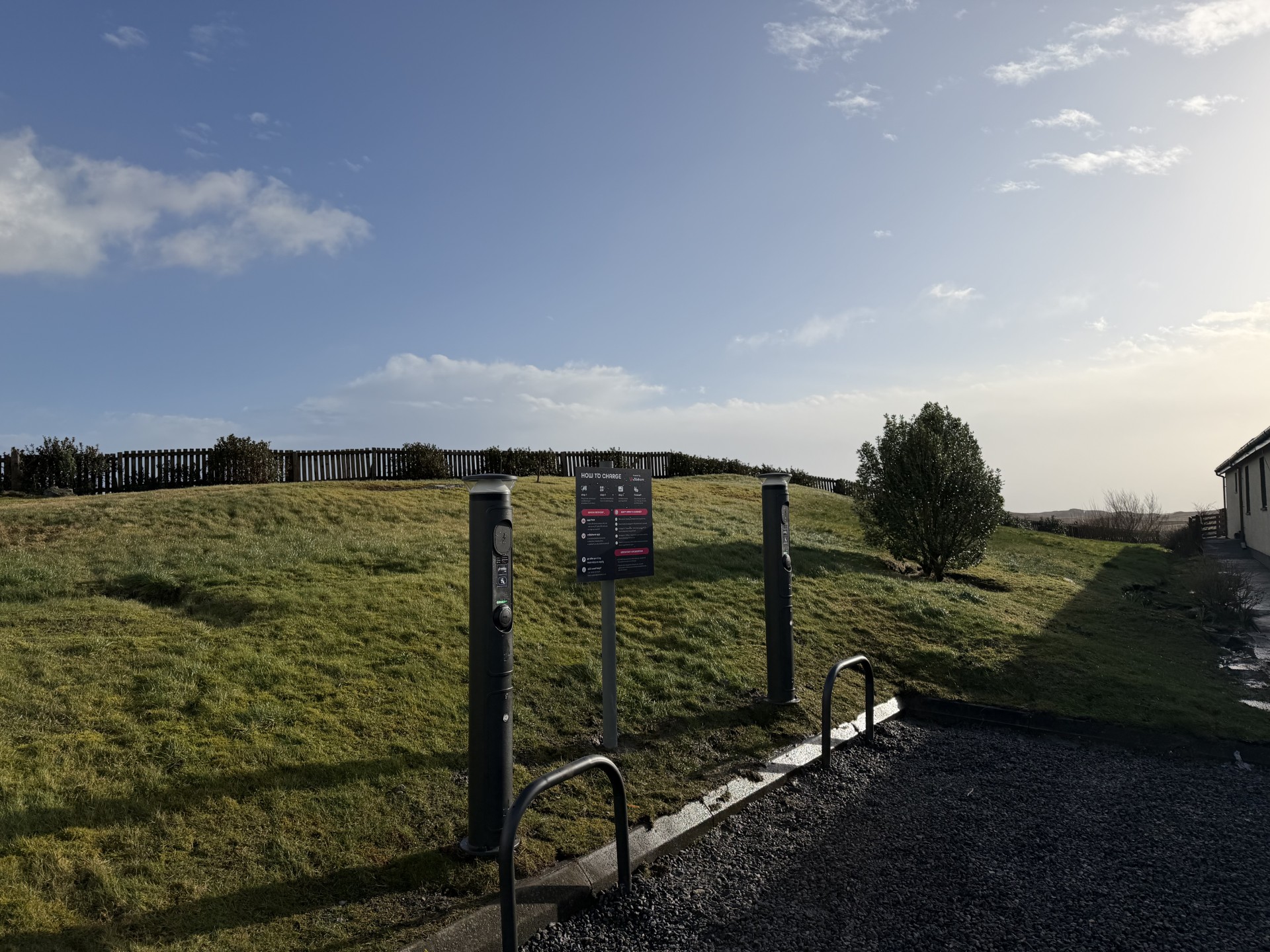
Rural and remote locations often see the biggest impact from EV charging.
Unlike cities, where drivers have multiple options, rural areas rely heavily on destination charging. If your venue has a charger, you become part of the journey.
That shows up in:
We saw this first hand in the last funding round. Many venues that installed chargers through the scheme saw immediate usage, especially in areas with limited alternatives.
EV adoption continues to grow, and government support is still being extended across the UK. From April 2026, wider EV charging grants are being extended to 2027, with increased funding available in some cases.
That signals long term commitment to EV infrastructure, and for rural areas, it means more drivers travelling further, and actively choosing venues where they can charge.
If it follows a similar structure to previous rounds, you can expect:
Applications for the previous round closed quickly, and funding windows don’t stay open long.
In the previous round, the fund closed earlier than expected after the full budget was allocated. Demand was high and applications came in quickly, which meant some venues missed out simply by being too late.
By the time the fund officially reopens, many venues will already be preparing applications. Installers will also get booked up quickly, especially in remote areas where availability is more limited.
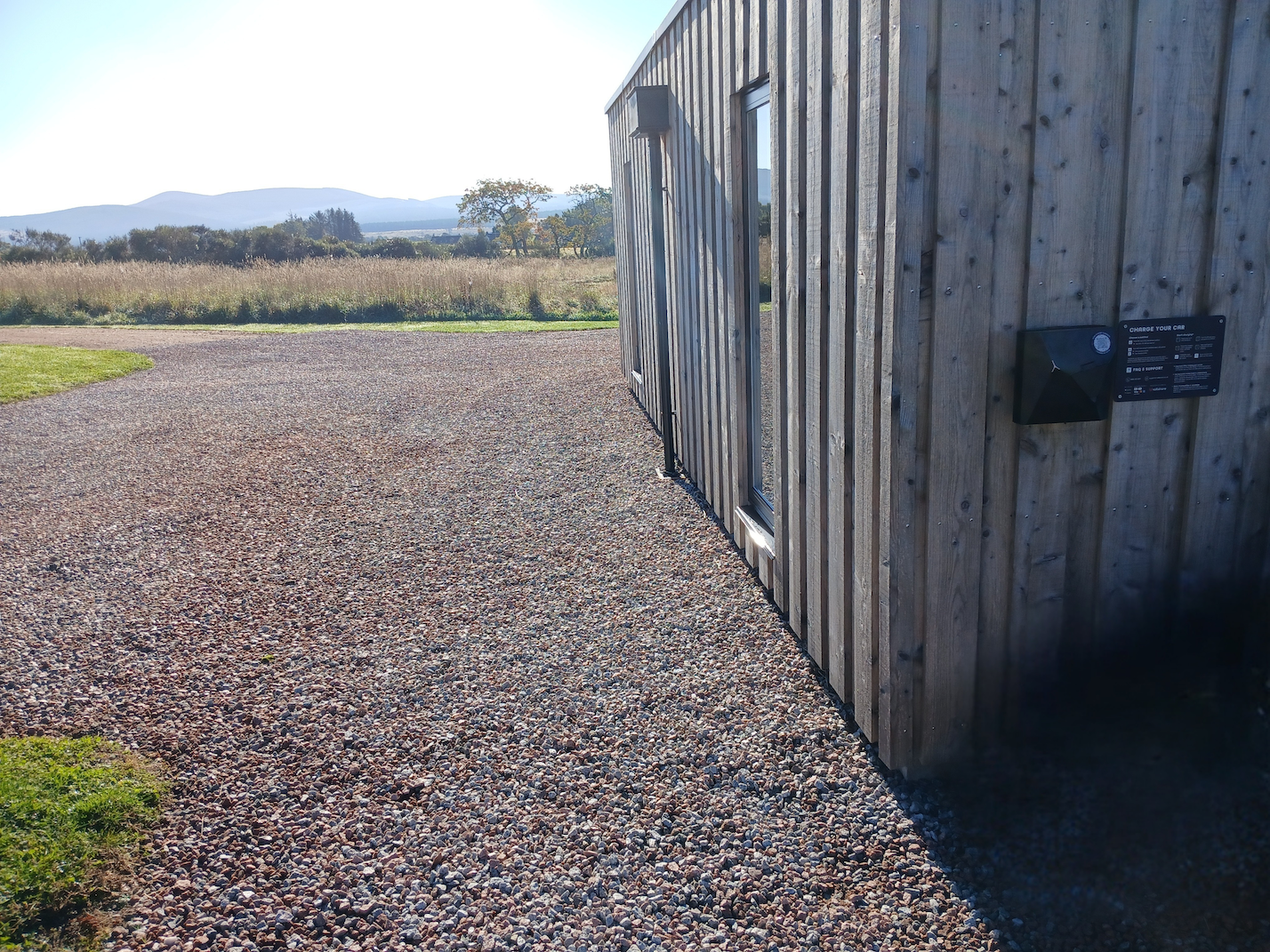
For rural hospitality businesses, flexibility matters. Voltshare’s model is designed for locations where demand can be seasonal or inconsistent, with no fixed monthly fees and a pay-as-you-go approach that keeps costs aligned with usage.
Alongside this, drivers are fully supported and the setup process is simple and quick to get up and running. This means you can take advantage of funding and offer EV charging without taking on unnecessary risk.
The reopening of Rural Scotland EV funding is another step towards improving access in areas that need it most. For hospitality venues, installing a charger helps turn the site into a destination that EV drivers actively choose.
The last round moved quickly, and this one likely will too. If you’re considering it, now is the time to start planning.
an EV charging solution that’s simple to use, enhances your venue, and generates revenue for your business


supporting over 500 venues


.png)