
September 29, 2026
How to Compare Commercial EV Charging Providers for Your Venue
.png)

EV charging infrastructure protects the environment by reducing carbon emissions, improving air quality, and supporting the global transition to sustainable, clean transport.



Electric vehicles are only part of the answer to cleaner transport. The charging infrastructure that powers them matters just as much. EV chargers help the environment by making it easier to move away from petrol and diesel vehicles, cut carbon emissions, and support the shift toward a lower-carbon grid. A solid charging network means more people can actually consider switching to electric vehicles for everyday travel.
EV charging points make a measurable difference by helping people swap petrol and diesel cars for electric ones—cutting carbon emissions and improving city air. As charging networks grow, they make EVs a more practical choice for everyone.
Electric vehicles don’t produce tailpipe emissions, so they help tackle greenhouse gases compared to traditional engines. The bigger the charging network, the more drivers can make the switch, which helps lower CO2 emissions across the board.
Petrol and diesel vehicles release pollution that harms air quality, especially in cities. EVs don’t have these tailpipe emissions, which means cleaner air and fewer health risks for everyone.
More charging points in busy areas make it easier for people to drive electric, which means fewer polluting cars on the road. EVs are also much quieter, so they help reduce noise—making cities and neighbourhoods a bit more peaceful.
Charging stations let drivers power up without petrol, helping reduce dependence on fossil fuels. This shift strengthens energy independence, especially for countries that import oil.
Having chargers available for daily use and longer trips removes one of the biggest roadblocks to choosing electric vehicles over traditional ones.
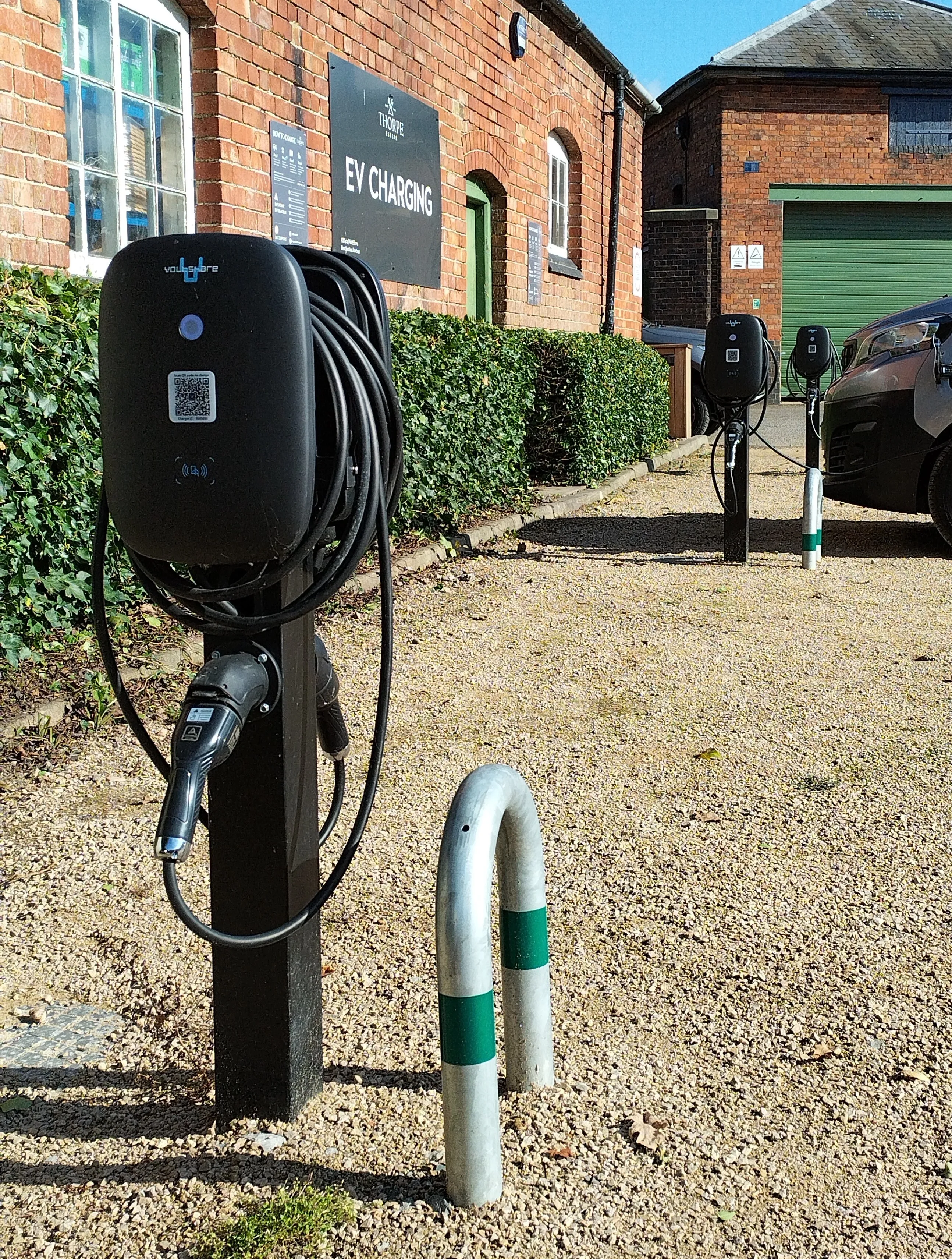
EV charging infrastructure brings environmental benefits that go beyond just eliminating tailpipe emissions. These benefits are strongest when battery production and recycling follow sustainable practices, and the whole charging network works toward a circular economy.
Lithium-ion batteries power electric vehicles, but making them isn’t without impact. Mining for lithium, cobalt, and nickel can disrupt habitats and uses a lot of water and energy. Battery production is a big chunk of an EV’s total carbon footprint.
Recycling helps by recovering valuable materials, so there’s less need for new mining. Modern recycling tech can recover up to 95% of battery materials, which is pretty impressive.
Even after batteries are done in cars, they’re not finished. Most still have 70-80% of their capacity left and can be reused for energy storage in buildings or other applications.
Managing batteries properly at the end of their life keeps materials in use and reduces waste. Refurbishing, repurposing, or recycling batteries helps cut down on the need for new raw materials and keeps things moving in a more sustainable loop.
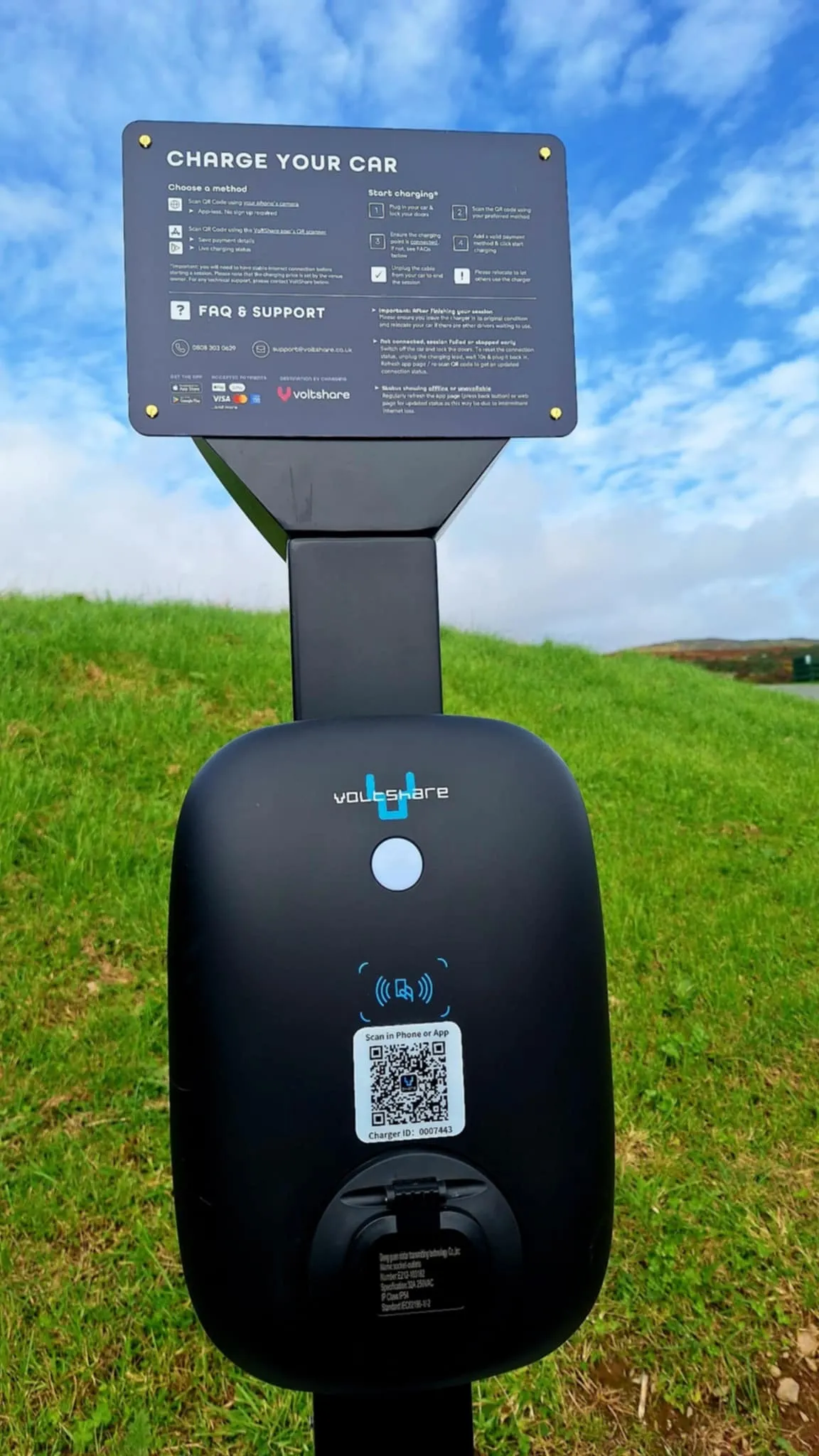
Sustainable infrastructure development with EV charging networks brings long-term environmental benefits. Using recycled materials for charging stations helps lay the groundwork for cleaner transport options.
A circular economy mindset treats every component as something worth keeping in use. Old charging equipment can be refurbished or recycled instead of tossed out. Even cable materials get recovered and sent back into manufacturing.
Deployment strategies for charging stations now focus on locations that make the best use of existing grid capacity and grid efficiency. Planners look at what’s already available and try to support cleaner transport corridors where possible.
an EV charging solution that’s simple to use, enhances your venue, and generates revenue for your business


supporting over 500 venues


.png)