
September 16, 2026
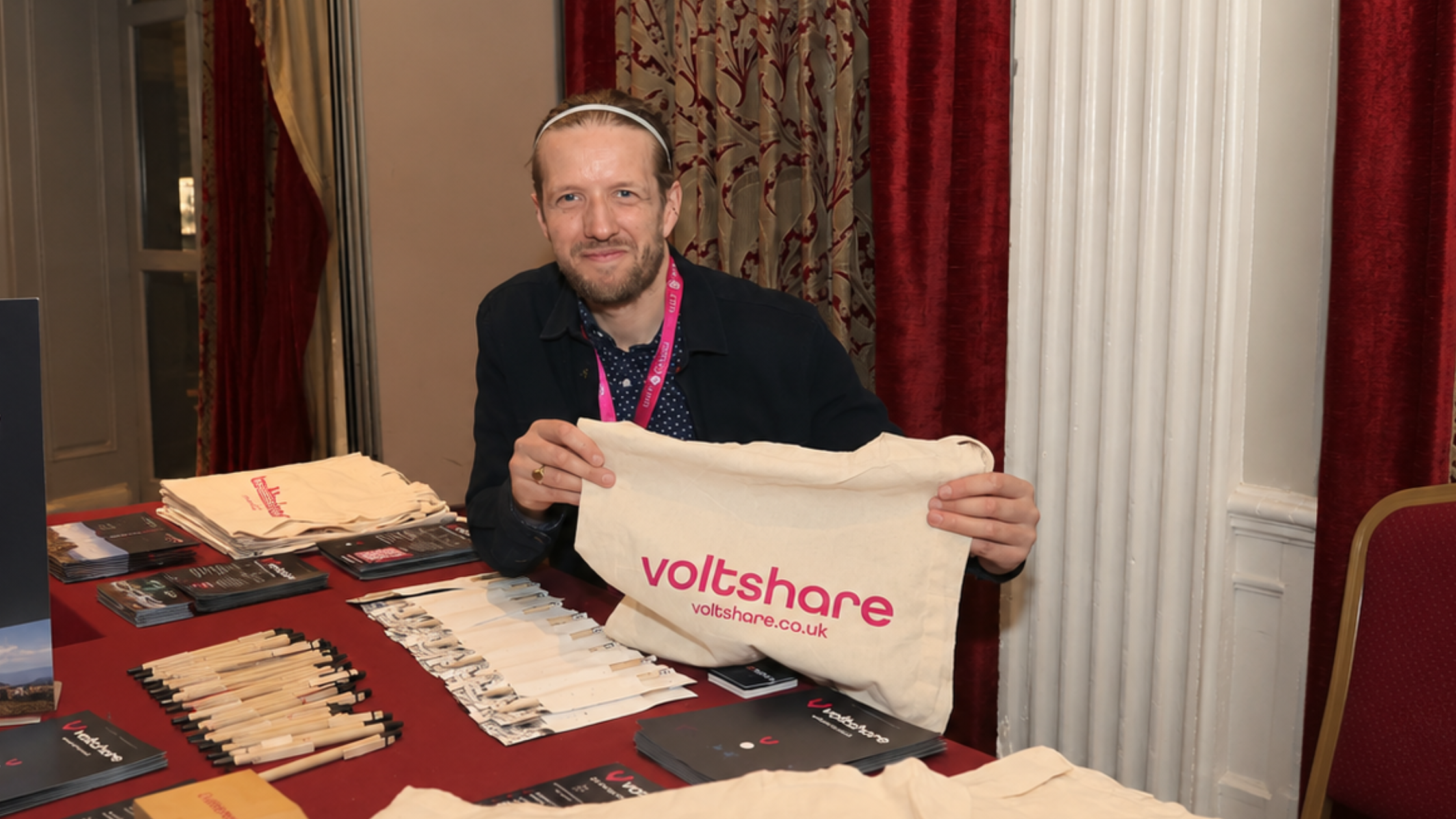
On the road with voltshare: Where we’ve been in 2026 so far

State school EV charging grant funding is reducing from £2,500 to £2,000 per socket from April, creating a clear window for schools to secure higher funding before the deadline.


.png)
The government has confirmed changes to EV charging funding for state-funded schools, coming into effect from 1 April.
Unlike the updates for businesses, where funding is increasing, the picture for schools is slightly different. The support is still there, but the level of funding per charger is being reduced.
For schools that have been considering EV charging, this creates a clear decision point.
From 1 April, the grant available through the Workplace Charging Scheme for state-funded education institutions will drop from £2,500 to £2,000 per socket.
The scheme will still cover up to 75% of installation costs, but the reduced cap means schools will need to contribute slightly more upfront.
It’s a relatively small change on paper, but across multiple chargers it can add up.
For schools already in the early stages of planning, timing is now important.
Applications submitted before 1 April can still secure the current £2,500 rate, as long as installation is completed within the allowed timeframe. That creates a short window where acting sooner could make a noticeable difference to overall project cost.
For many schools, this will come down to how far along they already are in the decision process.
Although the funding per socket is reducing, the scheme itself is not being withdrawn. It has been extended until March 2027.
This gives schools more time to plan, budget and roll out charging infrastructure, even if the level of support is slightly lower than before.
It also reflects a wider shift. EV charging is moving out of the early adoption phase and into something more expected, which is often when government funding begins to taper.
.png)
The fundamentals of the scheme remain the same.
Schools can still apply for support towards both the purchase and installation of chargers, with funding covering a significant portion of the cost. The grant can be used across multiple sockets and sites, making it flexible for larger schools or trusts.
Charging can be used for staff, visitors, or a mix of both, depending on how the school wants to position it.
EV adoption is continuing to grow, and that shift is already being felt in education settings.
Staff are increasingly switching to electric vehicles, and expectations around workplace charging are starting to follow. At the same time, schools are under pressure to demonstrate sustainability in a practical, visible way.
EV charging sits at the intersection of both.
It supports staff day to day, while also contributing to longer term environmental goals.
With the grant reducing slightly, the commercial side of EV charging becomes more important.
Schools will need to think about how chargers are used, who they are for, and how they fit into the wider site. For some, that might mean prioritising staff charging. For others, it could include opening access to visitors or the local community outside school hours.
The model behind the charger matters more than it did before.
The next few months are likely to see an increase in demand from schools looking to secure the higher funding level before April.
That can have a knock-on effect. Installers get busier, timelines tighten, and projects can take longer to complete.
Schools that are already considering EV charging are in a stronger position if they move earlier, rather than waiting until later in the year.
Even with slightly reduced funding, the direction is clear.
EV charging is becoming part of the standard infrastructure for schools, in the same way that Wi-Fi or secure parking once were. The grant helps with the initial cost, but the long term value comes from how the chargers are used over time.
For schools that take a planned approach, it’s still a strong opportunity.
At voltshare, we work with schools across the UK to make EV charging simple and commercially viable.
Our pay-as-you-go model means there are no fixed monthly fees, which can suit schools where usage varies across term time and holidays.
If you’re exploring EV charging and want to understand what these changes mean in practice, we’re always happy to help.
an EV charging solution that’s simple to use, enhances your venue, and generates revenue for your business


supporting over 500 venues


.png)