
September 29, 2026
Best EV chargers for hotels and guest accommodation in the UK
.png)

Learn how to overcome EV range anxiety through smart route planning, efficient driving habits, and with the growing convenience of destination charging.


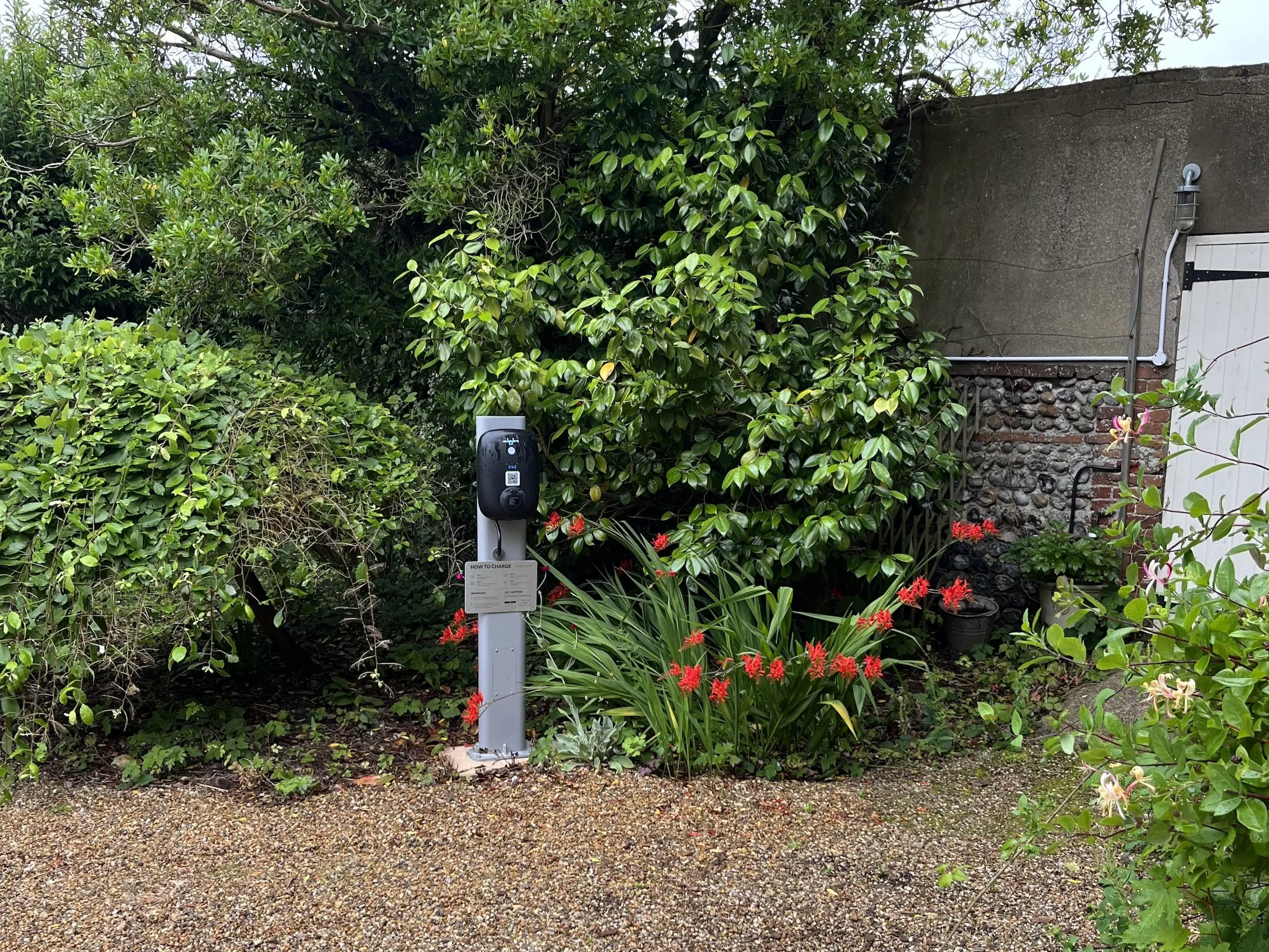
Range anxiety is the fear that your electric vehicle will run out of battery before you reach a charging point or your destination. This worry hits both new and seasoned EV drivers, though it usually fades with experience. It’s a bit like that nervous feeling when the petrol light comes on, but with EVs, the anxiety can kick in even when there’s a decent chunk of charge left.
Knowing what sparks this anxiety, and seeing how EVs actually work day-to-day, can help drivers feel more confident. EV ranges are getting better, and charging infrastructure is popping up all over the UK. Honestly, the mental side of range anxiety is often bigger than the real risk of running flat.
Range anxiety crops up for both current EV owners and those thinking about making the switch. It’s mostly about battery capacity and charging availability. The worry can loom larger than the actual challenge, but once you get where it comes from, the path to EV adoption looks less daunting.
Range anxiety is the concern that your EV’s battery might die before you find a charger. It became a thing when EVs first hit the mainstream, especially since early models didn’t go nearly as far as petrol cars.
It’s basically that uneasy feeling drivers get watching their battery percentage drop. Back when charging stations were few and far between, this was a real issue. Even though things have improved, the worry still lingers for many.
Interestingly, about 67% of UK drivers say range is their top reason for not going electric, but the average daily drive is only 23 miles. So, the fear is mostly psychological—it rarely matches up with real-world driving needs.
On the mental side, range anxiety is all about the fear of getting stranded. This ramps up during long trips, especially in areas where chargers are scarce or unfamiliar.
Practically, it’s about knowing the difference between real-world range and what the manufacturer claims. Actual range depends on driving style, weather, and even how much you blast the heater. Cold days, high speeds, and hard acceleration all chip away at range.
Battery degradation is another factor. Most modern EVs keep 80-90% of their battery after eight years, but it’s something drivers keep an eye on. The gap between advertised and real-world range can be 10-30%, depending on conditions.
Charging anxiety is a bit different—it’s more about whether you’ll actually find a working charger when you need it, not just whether your battery will last. Range anxiety asks, “Will I make it?” Charging anxiety wonders, “Will there be a spot open when I get there?”
Range anxiety is about your car’s limits and what you think it can do. Charging anxiety is about what’s out there—are the chargers available, working, and compatible? You might trust your car, but still worry about the chargers themselves.
They overlap, sure, but the solutions aren’t always the same. Tackling range anxiety means better batteries and realistic expectations. Charging anxiety? That’s about more chargers and making sure they actually work.
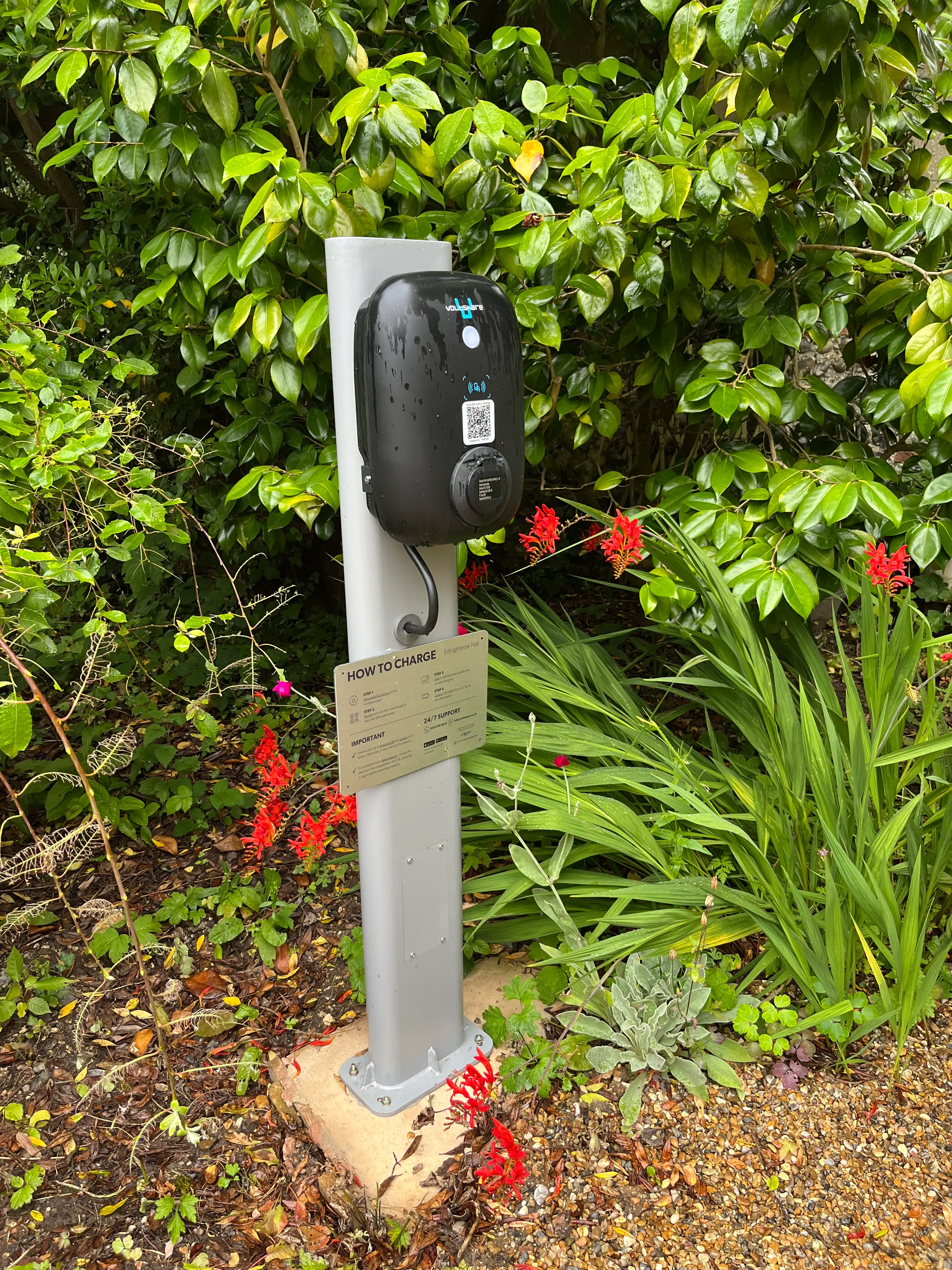
Managing range anxiety comes down to smart planning, efficient driving, and making the most of today’s charging options. Battery tech is always improving too, which helps a lot.
Route planning apps have made EV travel way easier. Tools like A Better Route Planner (ABRP) figure out where you’ll need to stop and charge, based on your current battery, driving style, and what’s available along your route.
Apps like Zap-Map give live updates on charger locations, connector types, and whether a station’s in use. User reviews and real-time status help you plan with a bit more peace of mind.
Preconditioning—warming or cooling the car while it’s still plugged in—helps stretch your range, especially in winter. Many EVs let you do this from your phone or dashboard.
Good route planning means thinking about speed, hills, and weather. Most EV navigation systems factor these in automatically, which takes a load off your mind.
How you drive really matters. One-pedal driving and regenerative braking help recover energy when you slow down, which adds a bit more range.
Eco mode tweaks power and climate settings to make the most of your battery. It usually means gentler acceleration and less aggressive heating or cooling, but you probably won’t notice much difference in comfort.
Aerodynamics count too. Closing windows, ditching roof racks, and keeping your speed steady all help.
Heating and cooling can drain the battery fast, especially in winter. Heated seats and steering wheels use less power than blasting the cabin heater. Cars with heat pumps are more efficient, saving more juice for driving.
Telematics systems give you feedback on how your driving affects range. Most people find their daily drives are well within their car’s capabilities once they pay attention.
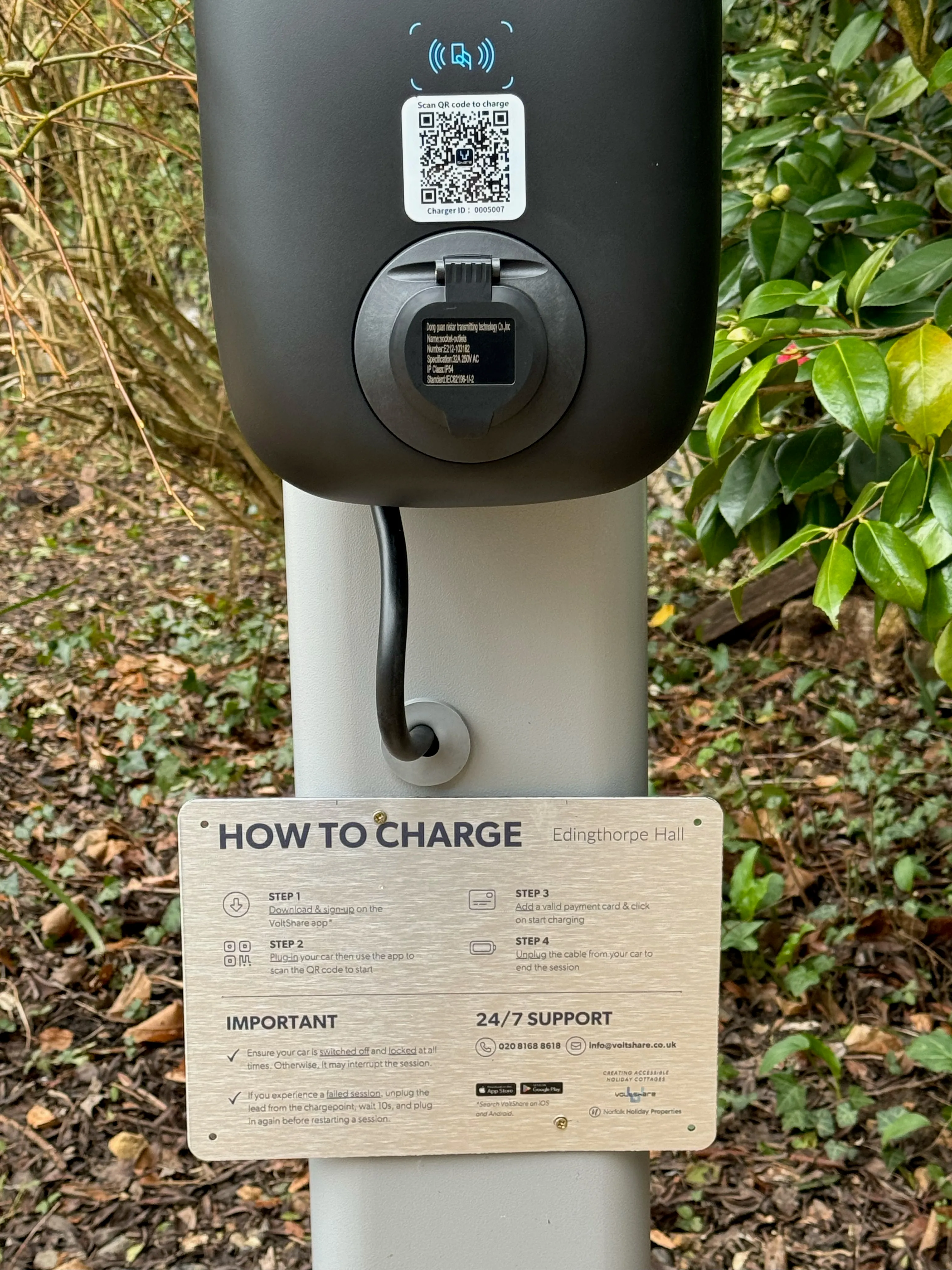
As public charging infrastructure expands, the way EV drivers plan their journeys is changing. While DC fast chargers are designed for quick 20-to-40-minute bursts during highway travel, they don’t provide the seamless experience that long-stay guests prioritize. For the hospitality industry, the goal is to replicate the convenience of home charging: the "plug in and forget" experience.
By installing reliable Level 2 destination chargers, properties become more than just a place to sleep—they become vital refuelling hubs. For guests staying overnight or for several days, the ability to add 40–80 km of range per hour while they sleep or enjoy amenities is the ultimate convenience. Unlike public fast-charging stations that require drivers to move their cars mid-meal or late at night, voltshare's straightforward charging solutions allow guests to relax, knowing they will wake up to a full battery.
Battery capacity keeps going up, and costs are dropping. Newer EVs like the Lucid Air Grand Touring can go over 800 kilometres on a charge. More budget-friendly models—think Hyundai Ioniq 6 and Ford Mustang Mach-E—still manage a solid 400-500 kilometres.
Solid-state batteries are on the horizon, promising more energy, quicker charging, and better safety than today’s lithium-ion batteries. Some say we might see ranges over 1,000 kilometres and charging in under 15 minutes. That’s a game-changer, if it pans out.
Today’s battery management systems are smarter, squeezing more life and performance from each cell. They handle heat better, balance charging, and even give you a heads-up if something’s not right.
There’s also talk about battery swapping—just swap your empty battery for a full one and you’re back on the road in minutes. Vehicle-to-grid (V2G) lets EVs send power back to the grid, which could mean extra value for owners and a stronger, greener energy network.
Wireless charging is starting to pop up, too. No cables—just park over a pad and let it charge. Cars like the BMW iX, Mercedes EQS, Nissan Leaf, and Rivian R1T are rolling out features that make charging easier and help drivers feel more confident about battery range. For hotels and hospitality, all this tech makes EV charging a real draw for guests.
Looking to help reduce range and charging anxiety? Consider installing EV chargers with voltshare - contact us today for more information!
an EV charging solution that’s simple to use, enhances your venue, and generates revenue for your business


supporting over 500 venues


.webp)