
September 29, 2026
Best EV chargers for hotels and guest accommodation in the UK
.png)

The new pay-per-mile EV tax, eVED, reflects how widespread electric cars have become, while keeping EVs cheaper to drive than petrol and diesel alternatives.


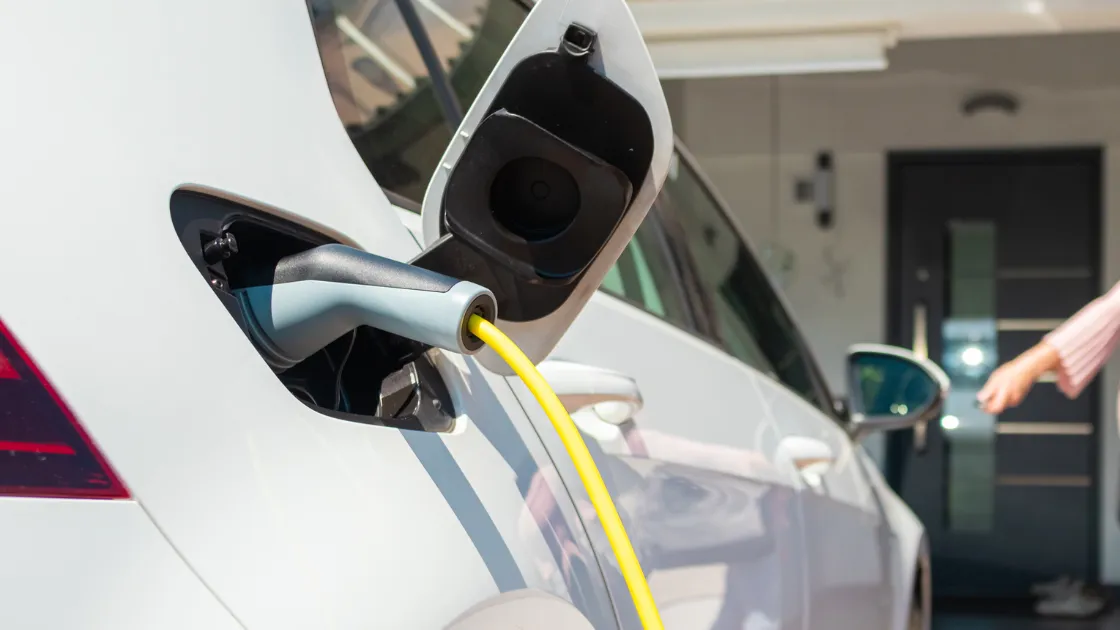
Electric vehicles are now a mainstream choice in the UK. Drivers are switching in big numbers because EVs are cheaper to run, easier to maintain and better for local air quality. So it’s no surprise that the way we pay tax for road use is evolving too.
In the 2025 Budget, the government set out plans for a new tax on electric and plug-in hybrid vehicles called electric Vehicle Excise Duty (eVED or VED+). From April 2028, most EV owners will pay a pay-per-mile charge on top of their regular Vehicle Excise Duty (road tax). This means you pay based on how much you drive rather than simply owning the car.
Let’s unpack what this means and why it’s actually a positive step for drivers and the EV industry.
The very fact the government is introducing a new road tax for EVs shows how far adoption has come. The old system relied heavily on fuel duty, a charge drivers pay each time they fill up with petrol or diesel. As more people switch to EVs, those fuel duty revenues have steadily dropped — and the government needs a fair way to fund road maintenance for all drivers.
“The question is no longer whether EVs will take over. It’s how the UK pays for roads when they do.”
A tax based on distance driven is fairer and reflects real road use. It’s a sign EVs are no longer fringe cars but a core part of everyday transport.
One big worry you’ll see in headlines is “new tax on EVs”. But the numbers tell a different story.
Under the proposed system:
On a typical annual mileage of around 8,500 miles, that means an EV owner would pay around £255 extra per year under the pay-per-mile charge. But even with that charge plus regular road tax included, most EVs remain significantly cheaper to run than petrol or diesel cars.
Put simply, EVs still deliver lower running costs, especially if you:
That means the overall value proposition of EVs stays strong.
Traditional fuel duty meant petrol and diesel drivers paid as they drove. EVs have been exempt from that, which was great to help adoption early on. But as EV ownership grows, the gap in contribution to road upkeep becomes wider.
The new pay-per-mile approach means everyone contributes based on how much they use the roads. That’s more equitable. Drivers who do fewer miles pay less. Drivers who do more miles pay more. Very low-mileage households aren’t hit as hard as high-mileage drivers.
Road maintenance isn’t free. As electric cars become the majority choice, fuel duty revenues are projected to fall significantly without a replacement. The new system helps keep funding in place for:
That’s good for drivers and for the industry that builds, sells and services EVs.
Rather than blocking change, the EV and transport sectors are already looking at smarter ways to handle distance-based charging (for example reporting mileage without intrusive GPS tracking). The consultation on eVED is still open, so there’s space for industry input on how this works in practice.
There are also broader discussions happening about how road charging could evolve, including digital solutions that make it easy to pay and minimise admin for drivers. That’s an opportunity for tech and service providers across the EV ecosystem.
Introducing a pay-per-mile tax for EVs isn’t the end of the electric revolution. It’s a sign that EVs are now the norm, not the exception. It’s a fairer way to contribute to road costs. And when you compare the numbers, electric cars still offer lower running costs than traditional petrol or diesel vehicles.
For drivers it means being realistic about costs in the future. But for the industry, it’s a vote of confidence in electrification and a chance to innovate around how mobility is paid for and delivered in the UK.
an EV charging solution that’s simple to use, enhances your venue, and generates revenue for your business


supporting over 500 venues


.webp)