
September 29, 2026
Best EV chargers for hotels and guest accommodation in the UK
.png)

Discover how UK schools can enhance sustainability and support staff by installing EV charging infrastructure using government grants that cover up to 75% of installation costs.


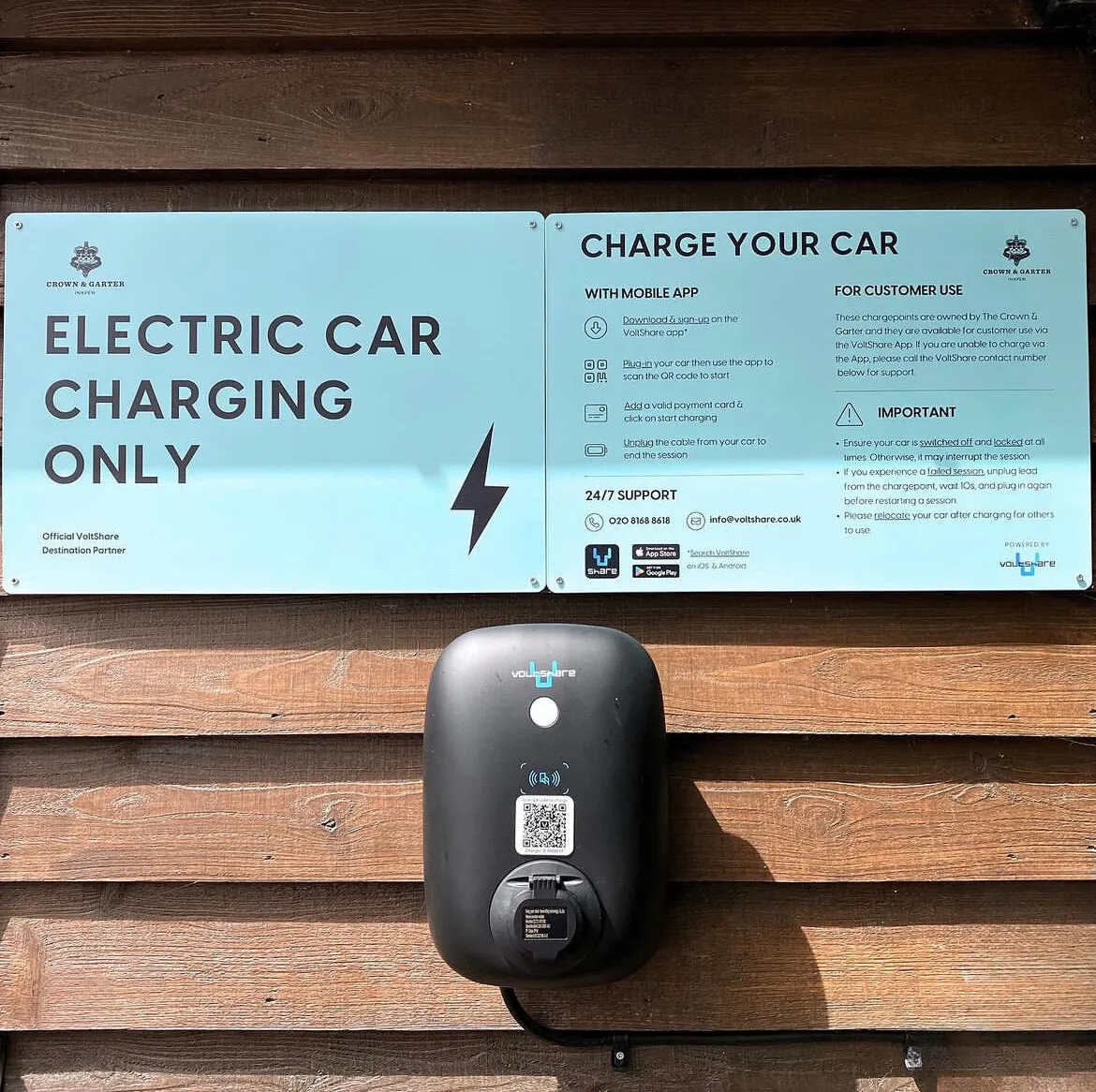
Electric vehicles are changing the UK's transport scene fast, and schools are right in the middle of it. More staff are driving EVs, parents want convenient charging during drop-off, and communities expect schools to lead on sustainability—even if they're not always sure how that should look.
Schools need EV charging to support staff and visitors who drive electric vehicles, generate potential revenue, align with sustainability goals, and prepare for the UK government's 2035 phase-out of new petrol and diesel car sales. State-funded schools can access grants covering up to 75% of installation costs, making the idea a lot more realistic than some school leaders might expect.
Understanding the strategic value of EV infrastructure helps schools make better decisions. Getting it right means planning for funding, technical needs, and long-term operation—ideally in ways that fit both the school’s mission and day-to-day reality.
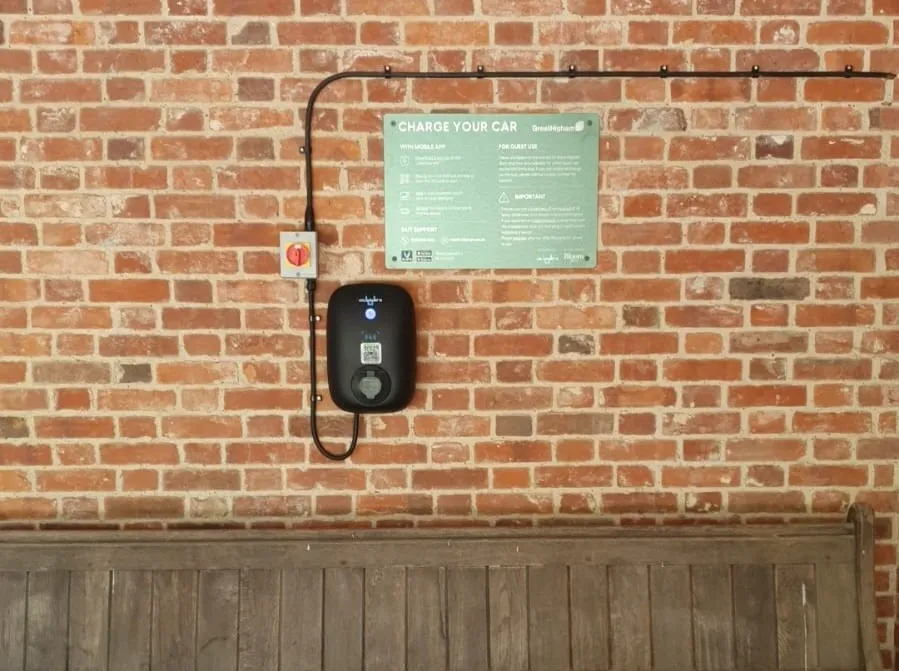
Schools that install EV charging infrastructure show real support for staff travel and back up their environmental promises. This isn’t just about optics—it’s about making things easier for the school community and showing leadership as the country moves toward zero-emission vehicles.
Staff are switching to electric vehicles, and workplace charging is quickly becoming a sought-after perk. Schools offering on-site charging let teachers and staff top up during the day—no more range anxiety or scrambling to find a public charger after work.
The Workplace Charging Scheme gives state-funded schools grants of up to £2,500 per socket for up to 40 charging points. That’s a big help for schools working with tight budgets, but is only available until March 2026!
Salary sacrifice schemes paired with workplace charging can help attract and keep staff, especially when teacher shortages are an issue. Parents, visitors, and contractors also benefit, making the school more welcoming for the growing number of EV drivers.
For schools with their own electric vehicles, charging on-site at cost can cut operational expenses, making the switch to EVs even more appealing from a financial standpoint.
EV chargers are a visible sign that a school is serious about cutting carbon emissions. Making it easier for staff and parents to drive electric helps the wider shift to cleaner transport.
Schools working towards Net Zero find that EV charging infrastructure supports their goals and creates measurable results. Charging stations also let schools swap their own vehicles from petrol to electric, directly shrinking their carbon footprint.
On top of the environmental impact, teachers can bring EV charging into lessons, giving students hands-on examples of sustainable tech.
Schools are some of the most trusted places in their communities. Installing EV charging turns sustainability talk into something people can actually see.
Opening chargers to the public can create new revenue, helping school budgets and supporting local residents who drive electric. This strengthens the school’s role as a community hub and makes the switch to EVs easier for everyone.
Students also benefit by seeing and interacting with EV technology. Early exposure helps them make smarter choices about transport down the line.
Schools that move quickly can secure grant funding before it runs out and set themselves up as environmental leaders locally. Acting now builds a reputation and leaves lasting infrastructure that serves everyone.
.webp)
Getting EV charging right means knowing your school’s needs, finding funding, picking the right chargers, and setting up an operational plan that’s both affordable and accessible.
Start with a staff survey—how many already drive EVs and how many are planning to switch soon? This gives a realistic sense of demand.
Check your electrical supply and parking spaces. Some sites might need upgrades, especially if you want fast chargers. Bundling projects across multiple sites can make things cheaper and more consistent.
Think about how vehicles are used—school fleets like buses and maintenance vans need overnight charging, while staff cars might just need a top-up during the day.
The Workplace Charging Scheme covers a chunk of the hardware and installation cost. Run by OZEV, it lowers the barrier to entry for schools.
Government grants make EV infrastructure a lot more doable for most schools. Many schools can move ahead with little bureaucracy, since devolved funding lets headteachers and governors make decisions without waiting for higher-level approval.
Most schools go for Type 2 sockets, the UK standard. Fast chargers are great for staff and visitors needing a quick top-up. Schools with electric fleets might want higher-capacity chargers for overnight use.
Schools need practical policies for who can use charging facilities and how much it’ll cost. Usually, staff get a discount, VIPs like governors might charge for free, and the broader community pays the standard rate.
Letting locals charge their cars after hours can bring in some extra income for the school, which helps with installation and running costs.
an EV charging solution that’s simple to use, enhances your venue, and generates revenue for your business


supporting over 500 venues


.webp)