
September 24, 2026
Tapnell Farm Named Voltshare’s September Venue of the Month
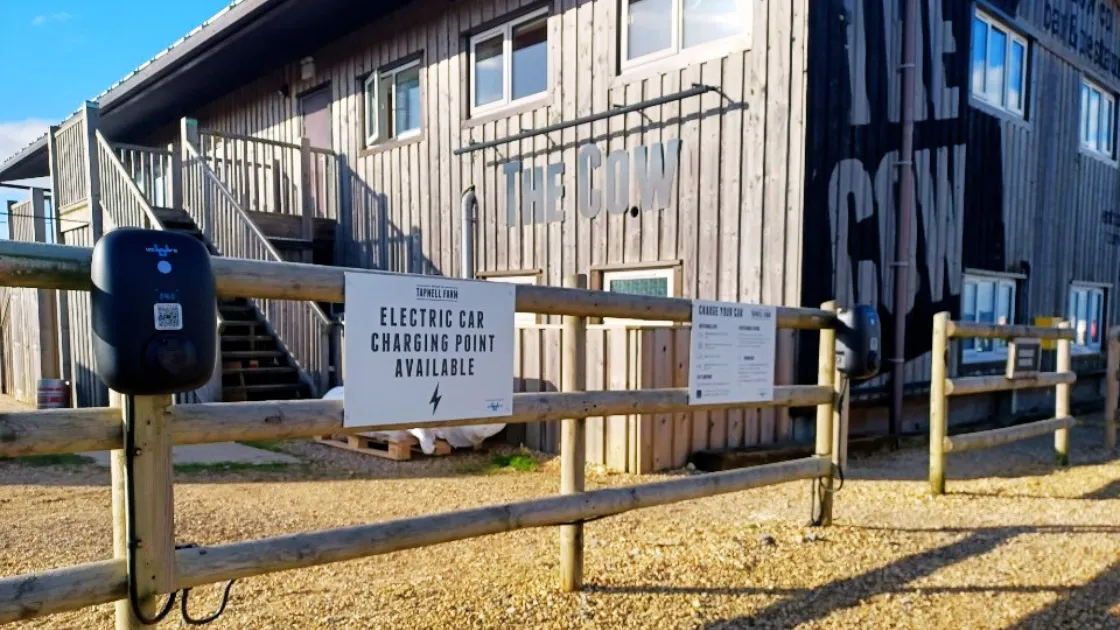

Maximize your hospitality site’s revenue and green reputation by installing EV chargers in Summer 2026 to secure UK government grants before the March 2027 deadline.


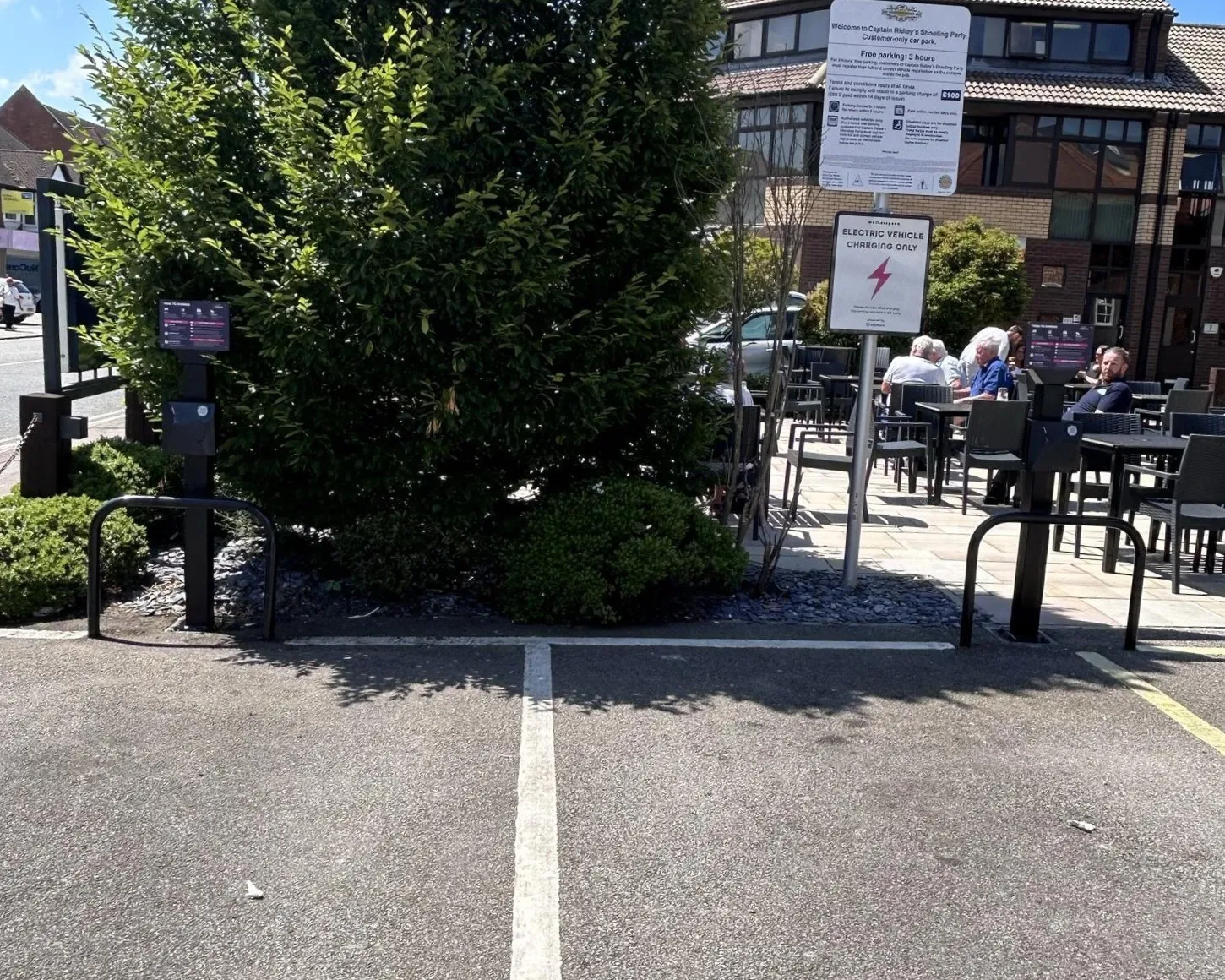
The UK’s electric vehicle market just keeps growing, and hospitality site owners are facing a real question: when’s the right moment to add EV charging? Getting an EV charger installed in summer 2026 has a lot going for it—better weather, access to government grants, and less chance of delays compared to winter.
If you get chargers installed now, guests can plug in the moment they arrive, and you’re not left scrambling for public charging options or waiting weeks for an appointment. Many property owners wait until demand is obvious, but that can mean missing out on early incentives and the convenience factor that guests increasingly expect.
It’s worth understanding the main benefits and what’s actually required for installation. From planning your 2026 EV charger installation to sorting out the electrical basics, timing really does make a difference if you want a smooth, hassle-free setup.
Adding EV charging in 2026 isn’t just about being trendy—it’s about tapping into government grants and making your property stand out as EV adoption takes off.
The government’s EV Workplace Charging Scheme is still a solid way to bring down installation costs for hospitality property owners. It covers part of the bill for the charger, cables, and professional fitting—so you’re not footing the whole cost alone. The grant will close in March 2027, so this is the last summer that you can take advantage of massive savings!
Recent changes have made grant applications easier, so you’re not stuck in paperwork limbo. Installations are moving faster and costing less than they did a few years ago.
Let’s face it: properties with EV chargers are just more appealing to future buyers or tenants. As more drivers go electric, having charging already sorted puts your site ahead of the curve. Whether you go for tethered or untethered chargers, you’re showing guests and investors you’re ready for what’s next.
New builds now have to include EV charging under Building Regulations. If you get ahead of this trend, you’re not scrambling to retrofit later (which can be a pain and more expensive).
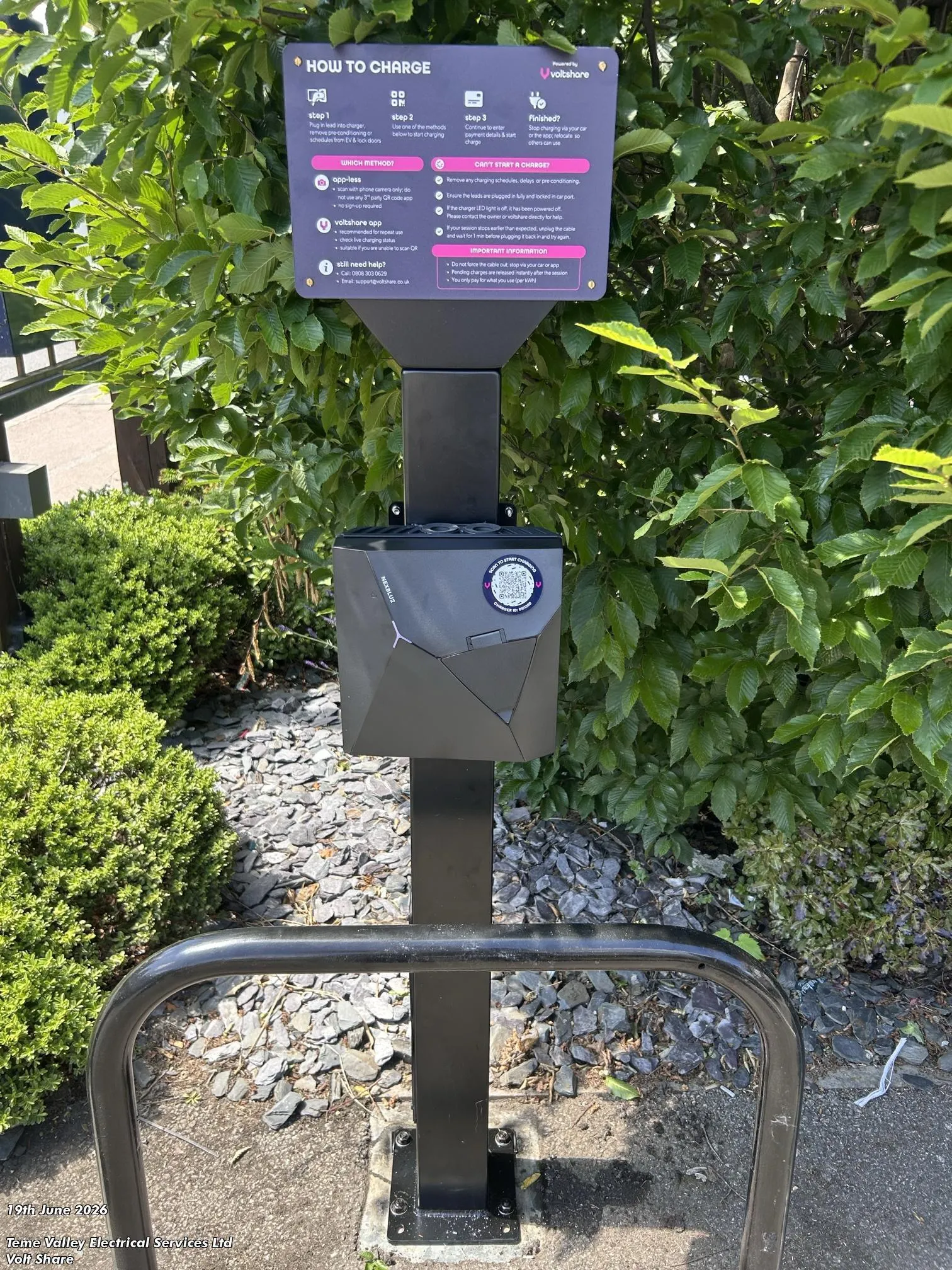
Installing EV chargers is a visible commitment to sustainability that resonates with modern travellers. It acts as a "green badge of honour," helping you meet Environmental, Social, and Governance (ESG) goals and attracting corporate clients who are often required to book eco-friendly accommodation. This enhanced reputation sets you apart as a forward-thinking, responsible business, which can be a deciding factor for guests choosing between two similar locations.
EV owners typically fall into a higher-income demographic with more disposable income to spend on premium rooms, dining, and amenities. For sites with restaurants or bars, chargers encourage "dwell time"—guests are likely to stay longer and spend more while their vehicle is plugged in. You are essentially capturing a captive audience that is incentivized to remain on your premises rather than heading elsewhere.
While some owners offer charging as a free perk, the majority use it as an additional revenue stream. Voltshare charging units allow you to set your own pricing for guests or the general public. By charging a small premium over the cost of electricity, the hardware can pay for itself and start contributing to your bottom line, turning a utility into a profit stream.
Interested? Contact the voltshare team today to get started.
an EV charging solution that’s simple to use, enhances your venue, and generates revenue for your business


supporting over 500 venues


.webp)