
September 16, 2026
On the road with voltshare: Where we’ve been in 2026 so far


Discover essential tips for optimizing EV charging and maintaining battery health during the hot summer months.


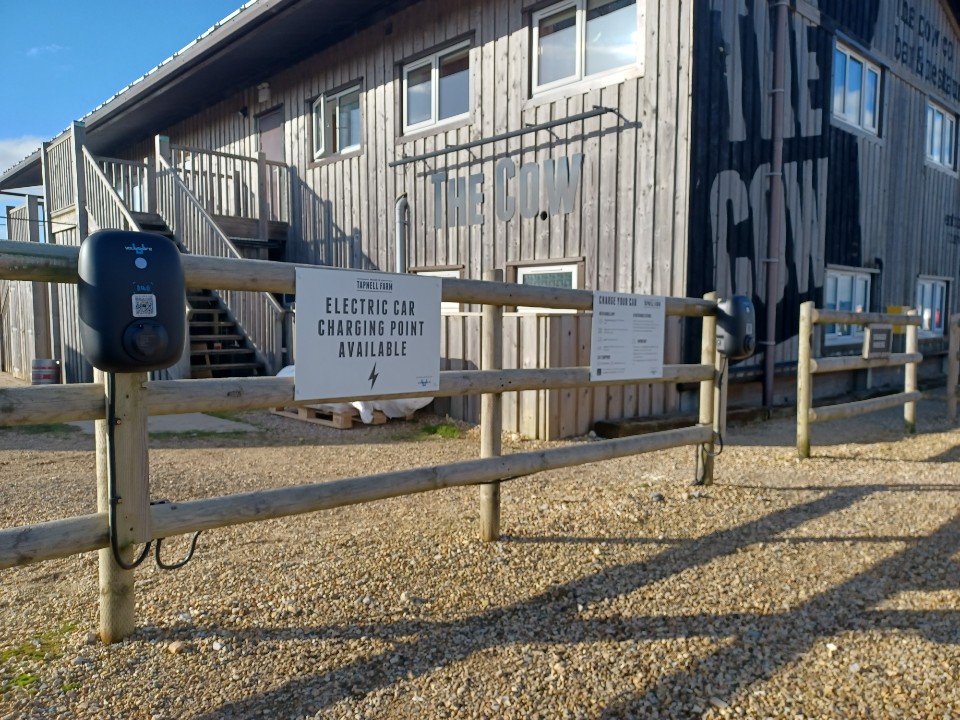
Summer brings a few extra things for electric vehicle owners to think about, especially when it comes to charging and keeping batteries healthy. Hot weather can impact EV battery performance, charging speeds, and range, but with a little know-how, drivers can easily get the best out of their vehicles during those warmer months. The effects of heat on EVs are often overlooked, but managing summer charging is pretty simple with the right habits.
Many EV drivers wonder if they need to change up their routines when the temperature rises. The truth? Charging an EV in summer usually doesn’t require big changes since most modern cars have systems to handle temperature and charging automatically. Still, a few smart tweaks can help keep batteries happy and boost efficiency.
Whether you’re planning a road trip or just daily commutes, a handful of easy adjustments can make a noticeable difference in battery life and performance. Knowing how heat interacts with your battery and when to adjust charging habits is key.
Heat can slow charging, shorten battery life, and affect how your EV drives—so it’s worth thinking about when and where you plug in. Understanding how your battery reacts to heat helps you keep things running smoothly during hot spells.
High temperatures can slow down charging. As batteries get hot, they can’t take in energy as quickly, which means longer charging times.
Rapid charging heats up batteries fast, especially on hot days. Add in the summer sun, and you’ve got extra stress on those battery cells.
Too much heat, over and over, can wear out the battery chemistry. This makes batteries hold less charge and shortens their lifespan. Charging at high power in direct sun or right after a drive in the heat speeds up that wear.
Batteries like it best between 20°C and 25°C. Once things hit 35°C or above, performance drops off. Charging at high power in these temps—especially in the sun—makes things worse.
Charging when it’s cooler, like early mornings or late evenings, helps avoid heat stress on your battery.
Good times to plug in:
Look for shaded spots or covered car parks when charging. Keeping your car out of direct sun really helps.
Overnight charging is ideal. You can charge slowly and avoid the midday heat, which is much gentler on the battery.
Battery management systems keep an eye on cell temperatures while charging. If things get too hot, they’ll automatically slow down charging to protect the battery.
Thermal throttling kicks in when it’s needed, reducing power intake. Sure, it slows things down, but it keeps your battery safe. Health comes before speed.
Most EVs have built-in cooling systems—liquid or air—that work with the battery management system to keep things at a safe temperature.
These systems do a solid job of balancing charging speed with safety. If thermal throttling happens, charging power might drop a lot (like from 150 kW to 50 kW), but it’ll pick up again as things cool down.
Not charging to 100% in hot weather is a smart move. Charging to 80% instead of full helps keep things cool and reduces battery stress.
Good charging habits can really extend battery life. Most EVs let you set charge limits in the car or app, so take advantage.
Full charges generate a lot more heat, especially topping up that last 20%. Save 100% charges for when you really need the extra range.
Heading out in summer? A little planning goes a long way. Managing cabin temp before you leave, picking the right charging stops, and using energy recovery features can help you get the most from your EV and save money too.
Cool your car while it’s still plugged in to charge. That way, you use mains power instead of your battery for air conditioning.
Parking in the shade helps keep your battery from overheating, which can temporarily lower range. Don’t blast the air con to max—moderate settings use less energy.
Check your tyre pressure more often in summer. Heat makes air expand, and under-inflated tyres hurt efficiency.
Try to drive smoothly and avoid hard acceleration. Aggressive driving in hot weather just heats things up more, making your battery and motor work overtime.
Regenerative braking turns slowing down into extra battery power. It works best if you anticipate stops and let the car slow naturally instead of slamming the brakes.
Eco-modes help by dialling back acceleration and air con to squeeze out more range. Most EVs show real-time energy use on the dash—keep an eye on it and adjust your driving if you need to.
On motorways, coasting and easing off the accelerator early before junctions or slowdowns lets your car recover more energy. Every bit helps, especially in the summer heat.
For more EV charging news and information, check out our blog.
an EV charging solution that’s simple to use, enhances your venue, and generates revenue for your business


supporting over 500 venues


.png)