
September 29, 2026
How to Compare Commercial EV Charging Providers for Your Venue
.png)

Maximize your electric vehicle's lifespan and efficiency by following the 80/20 EV charging rule to protect battery health and reduce long-term wear.


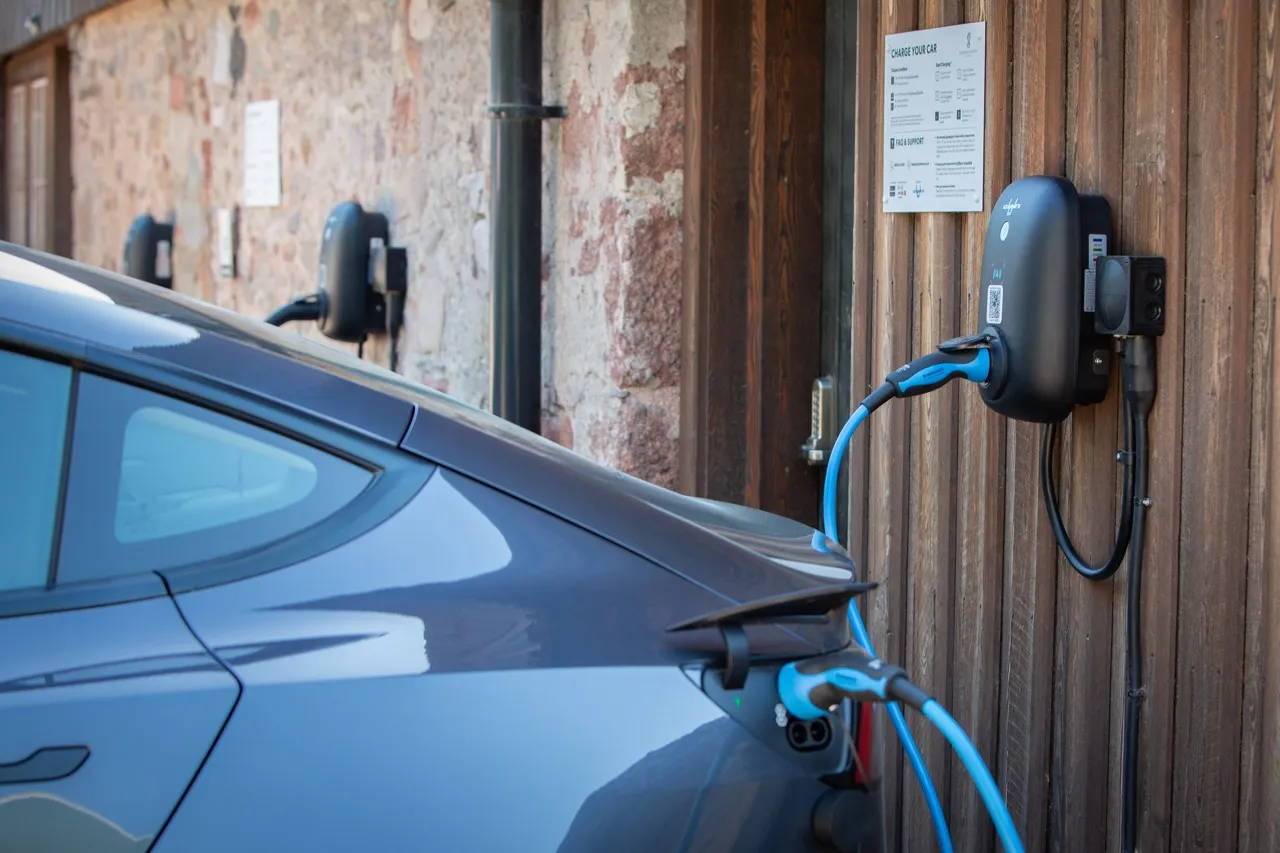
If you own an electric vehicle, you’ve probably heard a lot of advice about how to charge it. But one tip keeps popping up for maximising battery lifespan—the 80/20 rule for EV charging. Basically, it means keeping your EV’s battery charge between 20% and 80% for day-to-day use. Try to avoid letting it drop below 20% or topping up past 80% unless you really have to.
This idea comes from how lithium-ion batteries work. It might seem strange not to fill up all the way, but it actually puts less stress on the battery and helps it last longer. You’ll find many EV makers mention this in their manuals, and some cars even let you set a charging cap at 80% automatically.
So, why does this rule matter? Well, following it can help you get more years out of your battery, enjoy quicker charging times, and keep your EV performing its best. If you’re running a hospitality site, it’s a smart guideline to share with guests and staff alike.

The 80/20 rule means keeping your battery between 20% and 80% for regular use. This strategy balances daily range needs with the goal of avoiding battery wear.
To put it simply, the 80/20 rule is about maintaining your battery between 20% and 80% charge. Charging below 20% or above 80% puts extra stress on the battery cells—something you want to avoid if you can.
This is pretty different from how most of us treat our phones (guilty!). Instead of always topping up to 100%, EV drivers following this rule stop at 80% and don’t wait until the battery’s nearly empty to recharge.
Most modern EVs let you set a charging limit in the car’s settings or app, so you don’t have to keep a constant eye on the percentage.
Lithium-ion batteries don’t love extremes. Charging to 100% regularly wears them out faster, and letting them run down too low isn’t great either. The 20-80% window is the sweet spot—battery chemistry stays stable, and you’ll get more years before you notice any drop in range.
Benefits of sticking to the 80/20 rule:
For most commutes and daily drives, the 80/20 rule is ideal. Usually, 80% charge is plenty. But sometimes you need more—road trips, remote areas, or when charging stops are few and far between. In those cases, it’s fine to go up to 100%, just try not to leave your battery sitting at full for long. And if you dip below 20%, plug in soon to get back in the safe zone.
When it makes sense to charge past 80%:
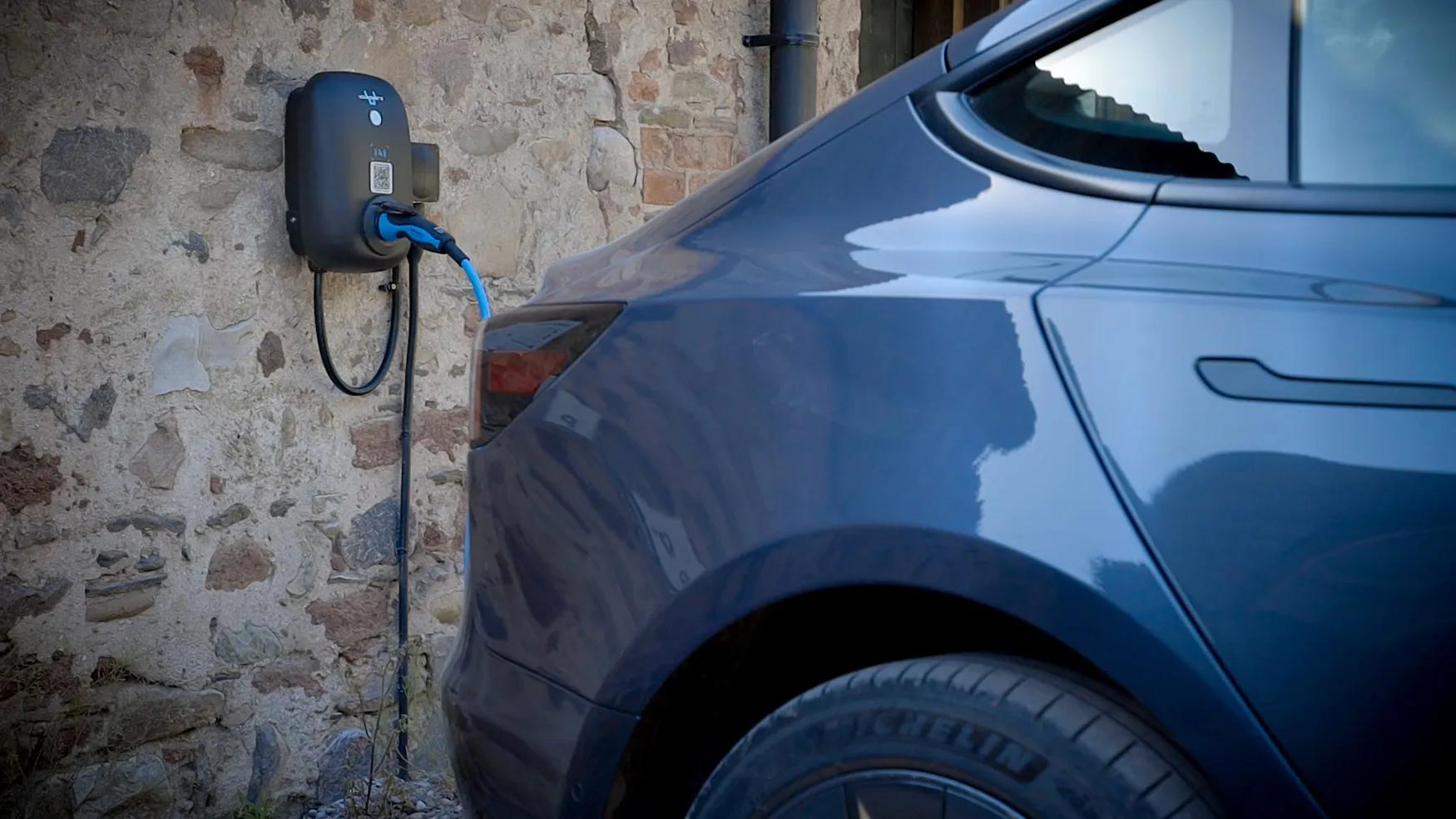
Sticking to the 80/20 rule really does slow battery wear and keeps things running smoothly. It also helps with charging efficiency and cuts down on heat—which is another battery killer.
Keeping your battery between 20% and 80% helps avoid the chemical stress that eats away at battery life. Charging to 100% all the time causes more oxidation and can actually crack the battery’s internal structure, shaving off capacity year after year.
Letting the battery fall below 20% isn’t great either. It can cause copper to dissolve and create short circuits inside the battery. The 20% floor is there to protect against this, while still giving you plenty of range for everyday use.
Some studies suggest that following this charging window can keep your battery at 90% (or more) of its original capacity even after several years. That’s a lot less stress for you and your guests.
Here’s the thing: lithium-ion batteries get more reactive and hotter as they charge up near full. Voltage spikes, heat builds up, and that heat speeds up chemical reactions you don’t want. Some of these reactions eat away at the battery’s capacity or even create safety risks, like lithium plating—especially if you charge to full in cold weather.
Staying under 80% keeps the battery in a more stable state, so these issues don’t crop up as quickly.
Ever notice charging is quick at first, then slows to a crawl above 80%? That’s by design. Most EVs charge fast up to 80%, then the system dials it back to protect the battery.
Above 80%, charging gets inefficient—more energy turns to heat, and you wait longer for those last few percent. Public rapid chargers often stop at 90-95% for this reason and to keep chargers available for others. Charging to 100% every time just isn’t worth the wait for most drivers.
Battery management systems keep a close eye on cell voltage, temperature, and current to protect lithium-ion batteries from damage. These systems set charging limits and balance cell groups so the battery pack stays healthy.
Modern battery management adjusts charging on the fly. It’ll slow down charging as cells fill up, ease off in extreme temperatures, and stop the battery from draining too far. Some even handle regenerative braking more gently when the battery’s already close to 80% full.
As batteries get older, the system tweaks its behaviour—maybe holding back on max charge to help with the drop in capacity. These small changes help keep performance steady and make range anxiety less of a headache as the battery ages.
Most drivers can set their own charge limits in the car’s settings. Want to stop at 80%? Just set it and forget it—the system will handle the rest, making it easy to stick with the 80/20 rule and keep your battery in good shape.
Want more EV charging advice? Browse our other blog posts for lots of helpful information.
an EV charging solution that’s simple to use, enhances your venue, and generates revenue for your business


supporting over 500 venues


.png)